Categories
Science

40th Rocket Lab Mission, “We Love The Nightlife”, Launches From New Zealand with Reused Engine

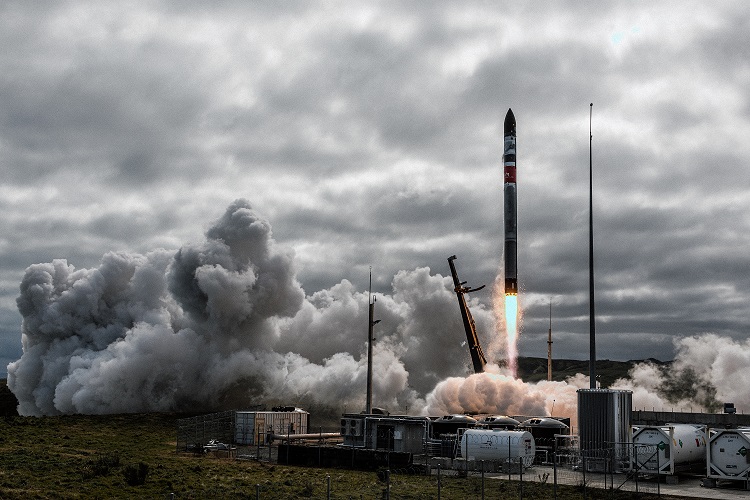
Private space company, Rocket Lab, launched its 40th Electron mission on their lauded Electron rocket, dubbed “We Love The Nightlife”, on August 24th at 11:45am New Zealand Standard Time (August 23rd at 7:45pm EST), which also marks the 7th launch of 2023, all successful. The purpose of the mission was to deliver the next-generation Acadia satellite for Capella Space to a circular orbit above the Earth at 640 km (400 miles), which was executed flawlessly. Acadia is part of Capella’s synthetic aperture radar (SAR) constellation and is the first of four Acadia satellites that Rocket is currently contracted to launch for Capella.

“We’ve been a trusted launch partner to Capella since 2020 and we’re delighted to deliver mission success once again,” Rocket Lab CEO and Founder, Peter Beck, said in an official statement. “Electron has played a crucial role in helping constellation operators like Capella deploy their spacecraft on time and on target, and we look forward to continuing building out Capella’s constellation with more dedicated launches this year.”

After the successful launch, Rocket Lab crews successfully recovered the Electron first stage booster from the Pacific Ocean once it parachuted down upon stage separation. This marked the sixth time Rocket lab successfully recovered a booster from the ocean, and the third successful recovery in 2023. Rocket Lab has only attempted booster recoveries a handful of times, but this looks to be increasing since they’ve had three booster recoveries out of three attempts this year. The goal of booster recoveries is to enhance rocket reusability with the goal of decreasing launch costs.

Remove All Ads on Universe Today

Join our Patreon for as little as $3!

Get the ad-free experience for life

Along with increasing reusability of the Electron rocket, this latest mission also marked the first time Rocket Lab attempted to reuse one of its 3D-printed Rutherford engines, which performed flawlessly with the rest of Electron’s nine first stage Rutherford engines. Rocket Lab posted an image of the nine engines prior to launch on their X account (previously known as Twitter), with the reused engine standing out from the rest due to its darker color.

Another surprise! For the first time, we’re launching with a preflown Rutherford engine today. This is a major step toward evolving Electron into a reusable rocket.

Spot the engine that has already been to space and back. pic.twitter.com/XSJoJII2GD

— Rocket Lab (@RocketLab) August 23, 2023

Previous Rocket Lab launches for Capella Space include the “I Can’t Believe It’s Not Optical” mission in August 2020 that delivered a Sequoia Earth-imaging satellite to a 500-km (310-mile) low Earth orbit, and the “Stronger Together” mission in March 2023 that delivered the Capella 9 and Capella 10 satellites to a 600-km (375-mile) low Earth orbit. As noted, this latest mission was the first of four Acadia satellite launches, with the remaining three missions scheduled for launch by the end of 2023.

Founded in New Zealand in 2006, Rocket Lab’s goal is to deliver payloads to space with low-cost launch vehicles, which follows in the footsteps of private space company, SpaceX, founded in 2002. To accomplish this, Rocket Lab built the expendable, and now partially reusable, Electron rocket, with its first successful launch occurring in January 2018 after a failed first launch attempt in May 2017. All of their launches occurred in New Zealand until January 2023 when Rocket Lab conducted their first launch from American soil at NASA’s Wallops Flight Facility in Virginia.

This latest launch not only marks the 40th Electron, but also continues a streak of 20 successful missions, including one suborbital launch, with the last launch failure occurring in May 2021. Going forward, Rocket Lab has a full plate of contracted launches through the rest of 2023 and 2024 with several customers, both returning and new. The private rocket company is even slated to launch the first private mission to Venus sometime in 2025.

As this latest launch demonstrates, Electron has proven to be both a successful and reliable launch vehicle for Rocket Lab. However, Peter Beck’s private rocket company is currently working on the upgraded, and fully-reusable, Neutron rocket capable of listing up to 15,000 kilograms (33,000 pounds) to low Earth orbit depending on the launch configuration. For context, Electron can only launch a maximum 300 kilograms (660 pounds) to low Earth orbit and is only partially-reusable, as previously noted. Like Electron, Neutron will use nine first stage engines but called Archimedes, and they’ll be capable of much greater lift-off thrust. Neutron is currently in development and is slated to have its maiden launch sometime in 2024.

As always, keep doing science & keep looking up!

Like this:

Like Loading…

Categories
Technology

Autonomous vehicles worse at detecting youngster pedestrians, examine finds

AI has a notorious history of biases, from facial recognition systems misidentifying Black people to chatbots admiring Hitler. In some settings, the outcomes could be deadly.

A case in point was exposed this week. According to new research, the pedestrian detection systems used in autonomous vehicle research have major age and race biases.

The study adds another obstacle to the rollout of driverless cars. It also uncovers an alarming potential addition to road safety.

The findings derive from a systematic review of eight popular pedestrian detection systems. Researchers from King’s College London (KCL) tested the software on over 8,000 images of pedestrians.

The <3 of EU tech

The latest rumblings from the EU tech scene, a story from our wise ol’ founder Boris, and some questionable AI art. It’s free, every week, in your inbox. Sign up now!

They found that the average detection accuracy was almost 20% higher for adults than it was for children. The systems were also 7.5% more accurate for light-skinned pedestrians than hey were for darker-skinned ones.

These discrepancies stem from a common cause of AI biases: unrepresentative training data.

“There’s an old saying when it comes to engineering and data science, ‘Rubbish in, rubbish out.’  AI systems need to be trained with a lot of training data, and inadequacies with that data are inevitably reflected in the AI,” Dr Jie Zhang, a computer science lecturer at KCL, told TNW.

“In this case, the open-source image galleries used to train these pedestrian detection systems are not representative of all pedestrians, and are skewed towards lighter-skinned adults. With less data to train on, the AI becomes less accurate when detecting under-represented groups.”

Another issue emerged in the lighting conditions. Under low contrast and low brightness, the biases against children and dark-skinned people were exacerbated. This suggests that both groups would be at increased risk during nighttime driving.

Although car manufacturers don’t publicise details on their pedestrian detection software, they’re typically based on the same open-source systems used in the research. Zhang is therefore confident that they experience the same issues.

To reduce the risks, he wants more transparency and tighter regulations on pedestrian detection systems.

“Developers should start by being more transparent when it comes to how their detection systems are trained, as well as how they perform, so they can be measured objectively — the consequences of not doing so could be dire,” he said.

“But in addition to this, manufacturers need to work to make sure that their AI systems are fair and representative, and part of the impetus for that will come from policymakers and tighter regulation around fairness in AI.”

You can read the study paper here.

Categories
Entertainment

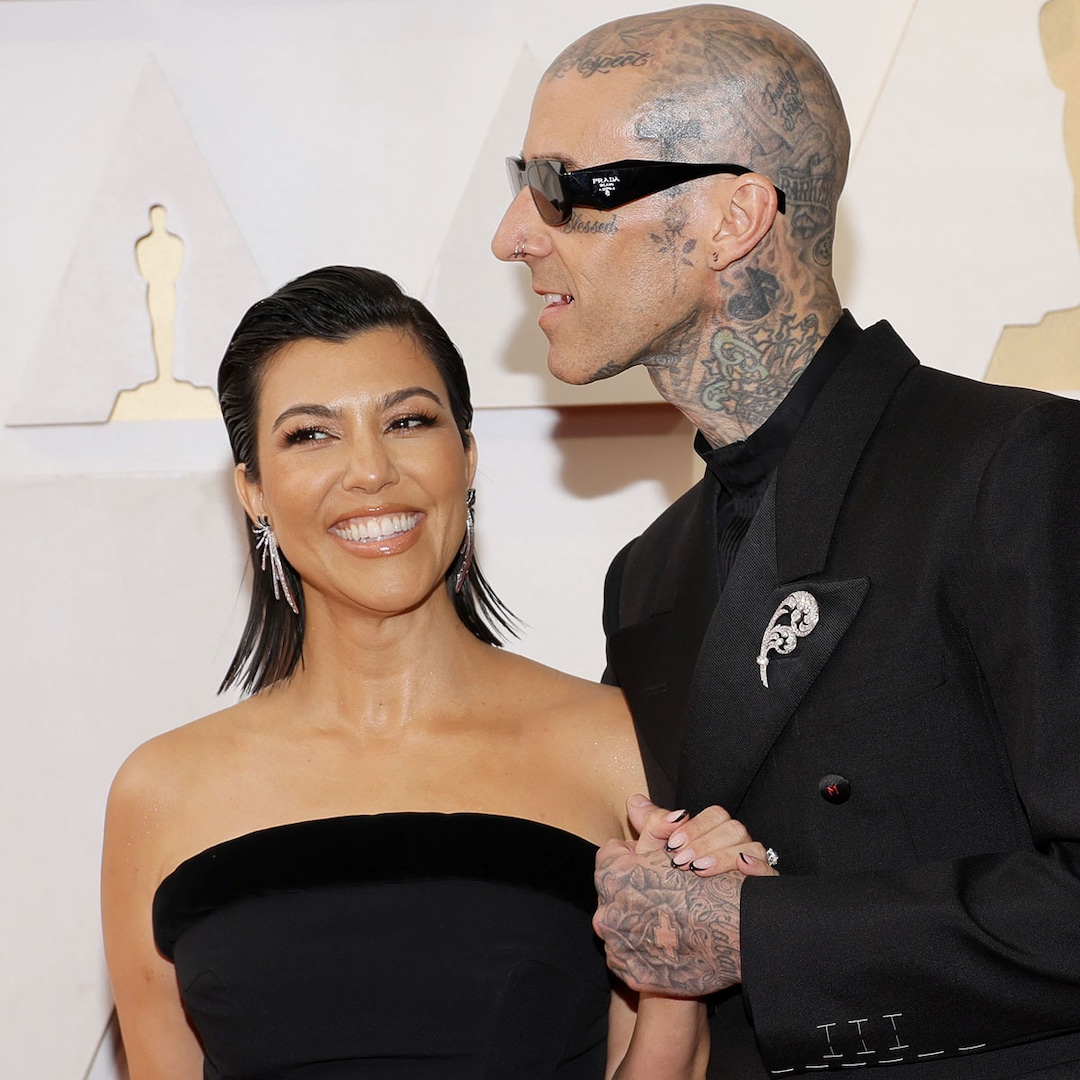
Travis Barker Kisses Pregnant Kourtney Kardashian’s Naked Child Bump

On Aug. 8, Kourtney wrote on Instagram, “Growing you inside of me, my son, is the greatest blessing, honor and joy.”

The couple’s baby boy will join the Lemme founder three kids with ex Scott DisickMason Disick, 13, Penelope Disick, 11, and Reign Disick, 8, and the musician’s son Landon Barker, 19, daughter Alabama Barker, 17, and stepdaughter Atiana De La Hoya, 24, who he shares with ex-wife Shanna Moakler.

Kourtney, who has not revealed her due date, has shared many pics of herself throughout her current pregnancy, including other photos of herself showcasing her bare baby bump in bikinis and a variety of other outfits. See some of her maternity looks below:

Categories
Science

Decoding the Local weather Psychology Certificates • Watts Up With That?

So, it’s come to this: the “Climate Psychology Certificate” offered by the California Institute of Integral Studies (CIIS). Just when you think you’ve seen every twist on climate change, along comes a course that combines it with… psychology? Interesting combo.

The CIIS states,

“Psychology has a vital role in addressing the climate and ecological crises, yet it is often missing from the conversation.”

https://www.ciis.edu/public-programs/climate-psychology-certificate

But one has to wonder, is it genuinely missing, or have most people been occupied with real life?

Here’s the thing: while the program might want to discuss our “collective trauma” about the Earth’s future, it’s vital to ask a simple question: where’s the emergency? Overwhelming evidence suggests that the changes we’re observing in climate aren’t particularly unprecedented or dire. Instead, such shifts have been a regular part of our planet’s history. So what makes this moment so traumatizing that we need an entire course to psychologically unpack it?

The program aims to provide a

“comprehensive understanding of the interplay between psyche, culture, and the more-than-human world.”

https://www.ciis.edu/public-programs/climate-psychology-certificate

While the wording is a bit lofty, it makes me wonder: is this a study of our environment or some metaphysical extraterrestrial endeavor?

When it comes to climate change, most of us prefer data over drama. Climate trends, historical weather patterns, and evidence-based predictions should be our focus. However, CIIS offers a dive into “eco-anxiety” and “climate-informed therapy.” But, if it’s therapy you’re after, I’d suggest diving into solid facts. There’s a calming effect to understanding the real world without the added layers of exaggerated concern.

With all their talk of integrating

“depth psychology, indigenous and decolonial thought, archetypal cosmology, ecopsychology, and environmental humanities,”

https://www.ciis.edu/public-programs/climate-psychology-certificate

the course sounds more like a linguistic exercise than a genuine attempt to grapple with climate realities.

The truth? The climate has always been changing. It’s how Earth rolls.

With abundant energy and technological innovation, there’s never been a better time to be alive. Instead of getting lost in ‘depth psychology’ or ‘archetypal cosmology,’ we’d do better by studying actual climate trends. The planet has seen warmer periods without the presence of SUVs and factories. Let’s get real about this.

Hiding behind a therapeutic veneer, it’s clear this program is just social justice cultural Marxist indoctrination.

Climate psychology themes live within a social justice context an understanding that facing climate change includes addressing racial, gender, and generational collective suffering, human rights abuses, rights of nature, and the historical responsibilities for environmental damage. Particular attention will be paid to the inequitable impacts of climate change on the mental health of marginalized and vulnerable populations, and the importance of ethical policies and decision making that prioritizes these groups. This exploration includes how to deconstruct systemic harm perpetuated in colonized minds and practices.

https://www.ciis.edu/public-programs/climate-psychology-certificate

It seems like programs like the one CIIS offers might be unintentionally adding to the very “eco-anxiety” they claim to address.

Guided by a developmental lens, the training will include the ways in which climate change can be explained to children of various age groups, giving kids reason to hope and become part of meaningful change without minimizing the challenges ahead. With half the youth (16 –25 year old) reporting distress about the climate in ways that disrupt their daily lives and functioning, the program will address the moral injury that government inaction has inflicted.

https://www.ciis.edu/public-programs/climate-psychology-certificate

If you’re continually told that every change in weather is a sign of impending doom, it’s no wonder people are anxious. Offering courses to manage the fear they help perpetuate? Well, that’s one way to keep the cycle going.

“Cultivate relational and embodied practices for engaging the more-than-human world and the mysteries of nature,”

https://www.ciis.edu/public-programs/climate-psychology-certificate

they say. Here’s a simpler version: go outside and enjoy nature. You don’t need a certificate to do that. We should be wary of linking natural wonders with an environmental doomsday narrative. It’s counterproductive.

In the end, understanding the climate requires a dash of common sense. Look at the data, understand Earth’s history, and remember that the planet has always been changing. There’s no need to overcomplicate things or stoke unnecessary fears. A deep breath and a dash of realism are often the best therapy, and they come without the tuition fees.

Addendum:

I was asked to read and review a work of Climate Fiction titled: “Missy’s Twitch” which is about almost this exact subject. The book will be coming out in October. Here’s a small blurb.

Missy Mayburn Crowe, heiress to an energy fortune built off fossil fuels, is stricken with overwhelming anxiety over what she believes is a looming “climate apocalypse.” Wracked with guilt over her family’s possible contributions to climate change, Missy develops an involuntary twitch, diagnosed by a famed TV shrink as climatosis. Exposure on television and in social media propels climatosis into a worldwide social contagion. That makes Missy a celebrity ripe for exploitation by politicians, media, and business opportunists as “proof” that the apocalypse is now—even if the evidence suggests otherwise.

Told with humor, insight, and brisk pacing, Missy’s Twitch offers an entertaining twist on conventional wisdom about one of the most controversial issues of our time.

Like this:

Like Loading…

Categories
Health

Listed here are the Eight trades and three price-target adjustments we made throughout a busy week

Traders work during the opening bell at the New York Stock Exchange (NYSE) on Wall Street in New York City on August 16, 2022.

Angela Weiss | AFP | Getty Images

Our portfolio experienced a flurry of adjustments in a week dominated by Nvidia’s (NVDA) quarterly results Wednesday evening and Federal Reserve Chairman Jerome Powell’s Jackson Hole address Friday.

Here’s a day-by-day look at the trades and price-target changes, and what motivated each decision.

Categories
Sport

Inside USC’s quest to construct a championship-caliber roster round its Heisman-winning QB

  • Paolo Uggetti, ESPNAug 25, 2023, 07:00 AM ET

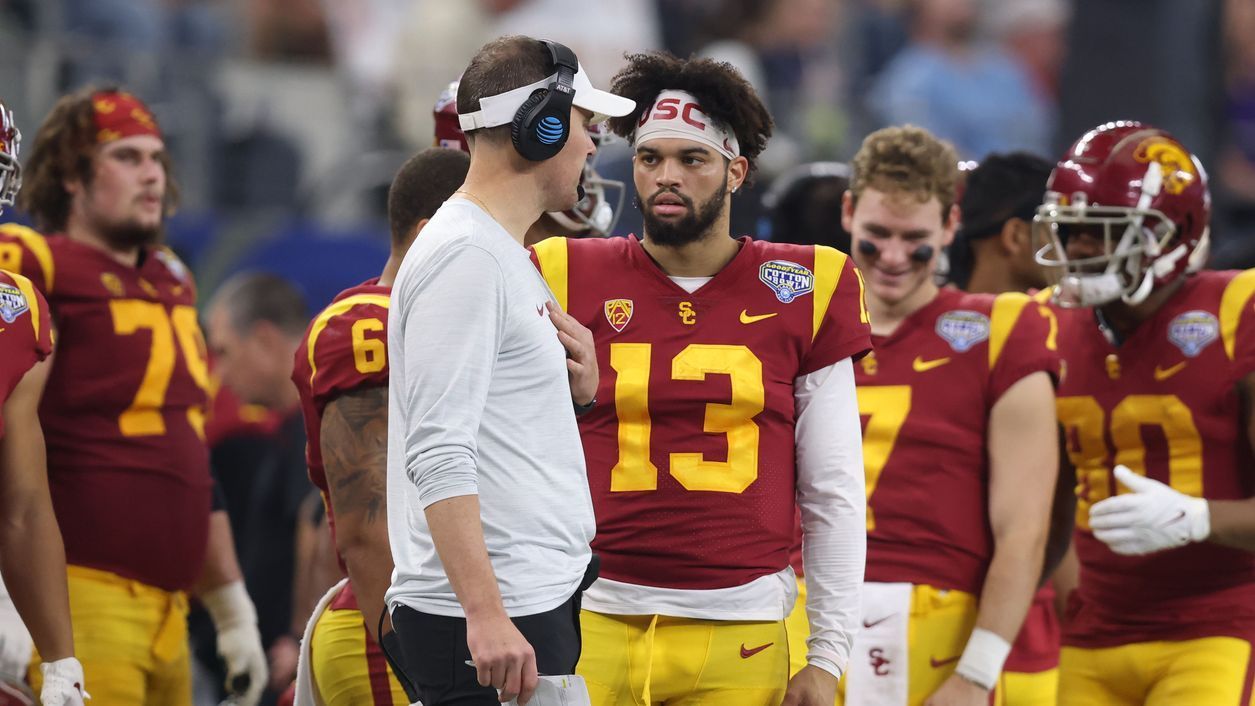
THE HOME TEAM locker room at AT&T Stadium was quiet. At first, no words were spoken, no music played from the speakers. Despite an 11-win season after a 4-8 year, there was no room for celebration. As pads came off USC players’ shoulders for the last time in the 2022-23 season, tears surfaced.

The Trojans had been up by 15 points with less than five minutes left in the Goodyear Cotton Bowl Classic but, with victory well within their grasp, they allowed Tulane to engineer a shocking comeback to win the New Year’s Six bowl, clouding USC’s incredible turnaround season.

“It was heart-wrenching,” nickelback Jaylin Smith said. “To work so hard for an opportunity like this and to come up short. There were a lot of tears in there.”

When coach Lincoln Riley finally entered the room and spoke to the players on hand, he had a simple message.

“Remember this feeling.”

For players like Smith, who recalled Riley’s words from that night, that feeling is vivid. But over the past eight months, the emotion has evolved from being a hollow disappointment to a motivational fuel that USC hopes will define a season with a better ending.

“We tapered off at the end of the season,” said center Justin Dedich, who decided to return to USC for one more season. “The motto this year is the longer it goes, the better we get.”

As USC readies itself for Year 2 of the Riley era, starting Saturday against San Jose State, the task at hand is different from turning around a 4-8 season. After losing to Utah in the Pac-12 championship, missing a shot at the College Football Playoff and having its greatest weakness — an inconsistent defense — on full display, expectations have only grown. USC is ranked sixth in the AP preseason poll — and questions around the Trojans’ defense have only gotten louder.

With a Heisman-winning quarterback in tow, a slew of returning starters and talented transfer additions, there’s plenty of pressure surrounding the team in its last season as part of the Pac-12. A year into their tenure, Riley & Co. head into the 2023 campaign attempting to harness new talent, continuity and improvement into not just a cohesive team but a championship-caliber one that won’t come up short again.

“I think that’s ultimately been everyone’s motivation,” Smith said. “If you were in that locker room after Tulane, you know the feeling, and I think everyone that was in there, they get the feeling, and they are motivated to never feel that way again.”

Alex Grinch reviewed game and practice film to get a better feel for what the USC defense needed to improve on. Matthew Visinsky/Icon Sportswire

ALEX GRINCH DID something this offseason that he hadn’t done in his entire coaching career. As he began the process of taking stock of his first season as the Trojans’ defensive coordinator, Grinch realized going back and reviewing game film wasn’t going to be enough. He needed to go back and watch film of USC’s practices, too.

“It provides a little bit of insight maybe why you didn’t do certain things. It again takes some discipline, and you got to rip off some Band-Aids to do some of those things,” Grinch said. “For instance, finishing football. If you can’t put together on Tuesday and Wednesday two hours of practice building and scouting, it’s going to be really hard to put 60 minutes in [on Saturdays].”

Grinch studied the film and then, a few months ago, brought in some of the team’s defensive leaders to review it as well. It proved illuminating, as coaches and players saw how some things the unit was doing at the start of the year dissipated over the course of the season.

“Being able to look back and say, ‘This was helping us,’ or ‘We kind of got away from this, and it started to hurt us,'” linebacker Shane Lee said. “It can definitely be a tool if you use it right.”

Editor’s Picks

2 Related

Grinch, whose seat warmed after the loss to Tulane, hasn’t shied away from the facts: Last season, USC’s defense was near the bottom of the FBS in nearly every statistical category except for turnovers forced (sixth in the country). It allowed 27 plays of 20 yards or more, 13 plays of 30 yards or more, eight plays of 40 yards or more, and four plays of 50 yards or more — numbers that all ranked in the bottom 30 defenses in the country.

Talk to any player on the USC defense and a stream of honest acknowledgements surface when discussing last year’s performance. There’s little sugarcoating or beating around the bush — they all know it wasn’t good enough.

“We don’t really look at rankings, but the rankings show that we weren’t the best we could be,” Smith said. “It was frustrating.”

According to the junior safety, strength coach Benny Wylie spent the summer emphasizing those rankings to the defense, reminding them during workouts of, for example, how many points USC’s defense gave up in the fourth quarter. The answer was an average of 10.4 points per fourth quarter — 128th in the country.

“We want to be an effort-based defense, a fast defense, playing free and playing with an edge, something we missed last year,” redshirt senior Bryson Shaw said. “There was a certain type of competitive vibe to us that we were missing.”

It wasn’t just the players. Grinch said he spent the offseason balancing out trying to learn from what worked and didn’t work for last year’s team while also reminding himself that it still helped USC win 11 games and, most importantly, that he couldn’t approach this season as if he were trying to coach last season’s unit.

“Everything is obviously on the table moving forward, but the big-picture stuff in terms of who you want to be and what you want to be. Did we succeed in that in Year 1? No, but that piece doesn’t change,” Grinch said. “What you’re looking for is the tangible piece. The fact is we now have to make sure we play more physically, play faster. … All those things have to move the needle.”

If there wasn’t enough pressure heading into Year 1, there certainly is now. And if the early part of this season displays similar struggles, those negatives will linger. Grinch recognizes that, and, as he put it, he can’t fight narratives. Last month, when a reporter asked him how he felt about the perception that he is coaching for his job this season, Grinch didn’t flinch.

“I think 21 years in the business, I mean, I think you’re coaching for your job all the time,” Grinch said. “I think pressure comes with it. I think about whether it’s Missouri or Washington State or Ohio State or Oklahoma, I don’t think I feel any different than I have in any of those years. There’s a lot of pressure.”

Despite the chatter about Grinch’s job being in jeopardy after the Tulane loss, Riley didn’t waver either, instead reaffirming his commitment in Grinch. This year, there’s added depth and experience at nearly every position, which has bred a productive competition across the board, in large part because USC once again dipped deep into the transfer portal to find an edge. Literally.

After watching the SoCal USC last season, MarShawn Lloyd knew he wanted to join the Trojans. Andy Altenburger/Icon Sportswire

MARSHAWN LLOYD WAS still wearing the garnet and black colors of the other USC across the country when he was watching Lincoln Riley’s USC wide-eyed and with a tinge of jealousy.

“I watched the Utah game and the Tulane game, and I hadn’t committed,” Lloyd said. “I was just like, ‘Man, I would love to be in that type of offense.'”

Eight months later, Lloyd now wears cardinal and gold, having spoken his wish into reality by transferring from South Carolina to Southern California and landing squarely in the middle of the offense he admired from afar. Lloyd, who rushed for 573 yards and nine touchdowns last season, is one of several talented transfers who entered the portal this offseason and ended up choosing the Trojans.

As offensive fixtures such as Jordan Addison and Travis Dye left for the NFL, the Trojans had no problem reloading on offense. They added the likes of Lloyd, Arizona’s Dorian Singer — the Pac-12’s second-leading receiver last year — while bolstering their offensive line with four-star offensive lineman Emmanuel Pregnon from Wyoming and three-star offensive lineman Michael Tarquin from Florida.

While last year’s portal run for USC was in large part due to the circumstance of overhauling a roster, this year’s additions seem to be more rooted in USC’s success and in its obvious needs after losing its final two games last year. It’s why most of its biggest targets in the portal ended up being on defense.

After losing its best defensive player, Tuli Tuipulotu, to the NFL draft, USC had to address that aforementioned edge rusher position and its defensive line as a whole. That unit is where USC found the most transfer portal success, adding players such as three-star Kyon Barrs from Arizona in December along with four-star Jack Sullivan from Purdue, four-star Anthony Lucas from Texas A&M, and eventually the biggest get of them all in four-star defensive lineman Bear Alexander from Georgia.

“We have more good players and less bad players,” Riley said matter-of-factly of the difference between this year and this time last year. “The front seven defensively is a huge difference. It feels a lot different, a little more competition across the board.”

The linebackers represent this notion well. Between a veteran and captain like Lee, a dynamic returning transfer in Eric Gentry and transfer additions such as Jamil Muhammad from Georgia State and four-star linebacker Mason Cobb from Oklahoma State, the room is loaded with options, and that’s before even considering true freshman Tackett Curtis, who has earned some reps among the first team in practice and is listed as the starter at Will linebacker on USC’s recently released depth chart.

Cobb, in particular, has been a standout for more than just his play. In a short time, he has become not just a fixture of the USC defense but a leader for the whole team, all of whom wax poetic about the new guy who has transformed into a team captain in record time.

“That guy deserves it,” Shaw said. “He came in right away and I felt like I knew him forever. He’s got a certain vibe to him, and we all gravitate to it. We’re very excited that he’s here.”

When Riley first arrived at USC, he emphasized his preference to build his team through high school recruiting over relying heavily on the portal. That reliance diminished slightly this season, with 15 incoming transfers compared with 20 last year.

“Moving forward, what you don’t do is say, ‘Well, we’re not doing transfer, we’re not doing high school guys,'” Grinch said. “Let’s make the best roster we possibly can.”

While USC keeps jumping up the recruiting rankings and getting commitments from players such as the top quarterback in the 2026 class, Julian Lewis, there is still an unspoken urgency to build a roster this season that can win now, in what will likely be Caleb Williams’ final college season.

John Bunch/Icon Sportswire

IT IS A prefix that will forever precede his name — Heisman winner — but Williams has already moved past it.

“He achieved the greatest award you can — the Heisman — and he wants more,” Dedich said. “Not many people can actually go out there and do that.”

A glance at Williams’ Instagram feed is enough to perceive the ways he has enjoyed and supercharged his offseason after winning the Heisman. Visiting London. Walking the runway at Paris Fashion Week. Attending an F1 race in Monaco. Throwing the first pitch at a Dodgers game. His teammates, though, have seen him in different contexts: hanging out, planning team activities, throwing at summer workouts.

“Everyone thinks he’s Superman, but he’s still human,” Dedich said.

Williams, for his part, knows that remaining level with the teammates he will have to correct or praise at some point is crucial to his role as a leader. It’s why he knows coasting in practices or workouts isn’t an option. Or why being the one to create chemistry by spending time outside the football field with the rest of the team is crucial to USC’s success.

“Comfort and confidence,” Williams said when asked what is different going into his second season at USC. “Not just for myself but for everybody overall. Confidence in the scheme. When you get a year under your belt, you get a bunch of trials and tribulations, you get successful plays, you get some confidence, and you get to work with it the whole summer. That’s what we’ve been doing.”

Those who have been around Williams can attest to the growth. Some say he has stepped into being as much of a coach as he can be as a player. Others call out his leadership, while those who transferred to USC don’t hesitate when admitting he was a factor in their decision. Arriving on campus and interacting with Williams in person has only bolstered their belief that they made the right choice.

“He organizes workouts and brings us along,” Singer said. “He brought the offensive line to his first pitch at the Dodgers game; he took the team paintballing a couple weeks ago. So it’s things like that that people don’t see that makes him really special.”

Yet nothing brings home that point more than when Williams becomes as anonymous as he can be these days, putting on a helmet before putting on a show.

“He’s a unique talent and a unique person,” Dedich said when asked about the comparison between Williams and Patrick Mahomes. “People are going to compare other kids to Caleb one day.”

Defensive leaps and improvements on offense should boost USC’s chances this season, but every player is conscious of the fact that the Trojans’ chances rely heavily on Williams, whom every teammate seems to be running out of adjectives to describe. It is fitting then, that the rare critique comes from the person who knows him best.

“He’s played a year and a half of college football. There’s 15 more levels he can get to,” Riley said. “He needs to get better at a little bit of everything. I don’t know if you guys believe me when I tell you that actually is the truth. He’s tremendous, but he doesn’t walk on water yet. He’s got a lot of work to do, and he’s the first one to admit that.”

If Williams’ teammates are the chorus of praise Williams has earned, Riley is the realist, the motivator who knows that the task of improving upon last season won’t be easy, even with a roster that’s deeper, better and more committed to winning.

“I do think he’s a better player right now than he was,” Riley said. “But he’s got a whole new set of challenges that are coming up that he’s gonna have to be ready to work with.”

So far the new and improved Williams show has come behind closed doors, in practices where only a handful of people can watch. Come Saturday, the stage will welcome Williams once again. And after the past eight months of work, USC is hoping the team that joins him up there will be a far better version than the one the Trojans have left behind.

Categories
Entertainment

Ronald & Rudolph Isley Will Go To Court docket Over Trademark Lawsuit

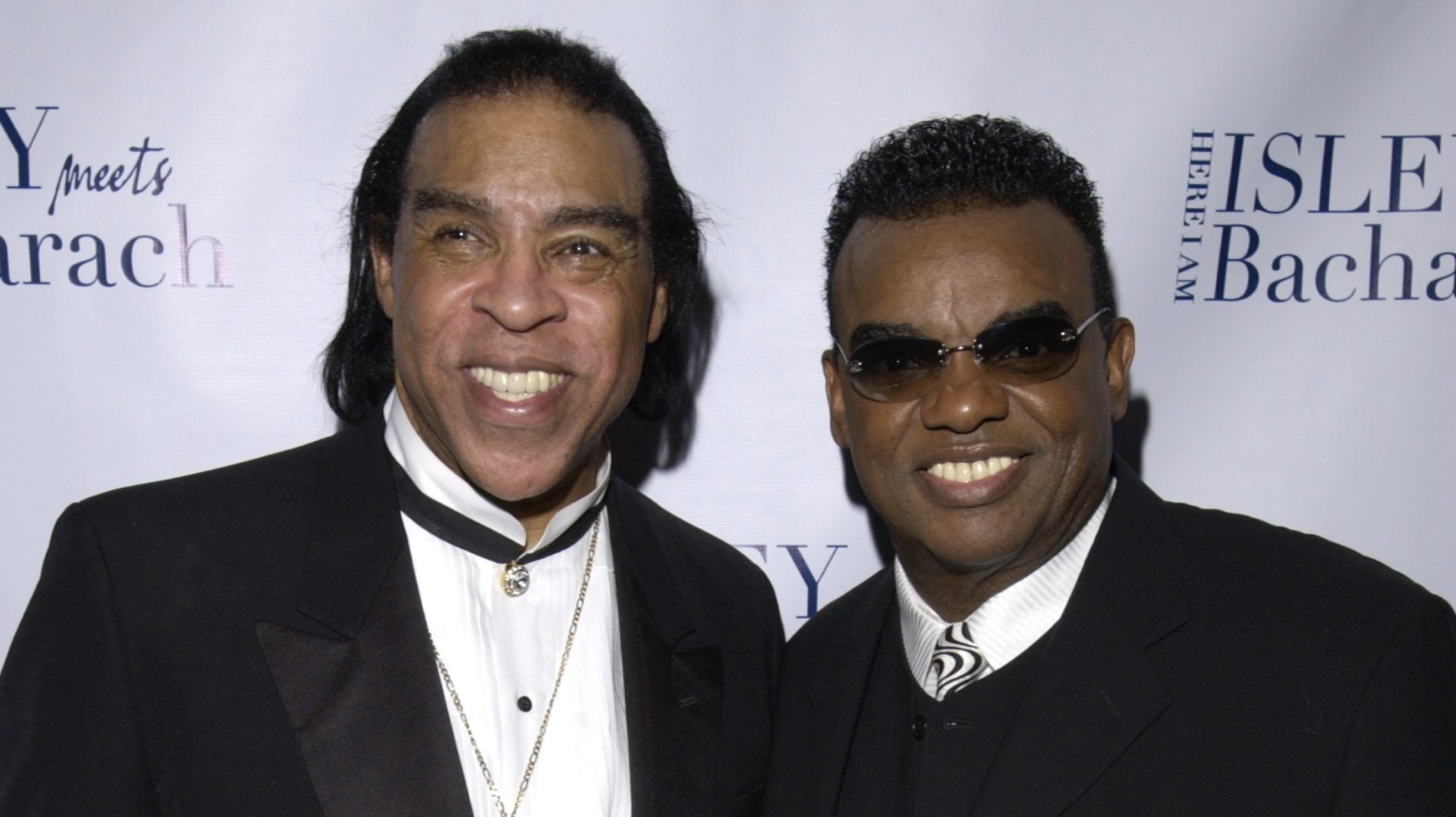
Five months after Rudolph Isley sued his brother Ronald Isley over issues relating to the trademark for their R&B group, The Isley Brothers, it looks like there’s no sign that the matter will be quickly resolved anytime soon!

In fact, Ronald and Rudolph are officially headed to court to hash the lawsuit out in front of a jury.

RELATED: Family Feud: Rudolph Isley Reportedly Sues Ronald For Cutting Him Out Of ‘The Isley Brothers’ Trademark

The Matter Is Headed To A Jury Trial

Billboard reports that the development came on Wednesday (Aug. 23) after Judge Thomas M. Durkin ruled against the lawsuit’s dismissal.

Durkin reportedly denied the request because of the “unique circumstances” surrounding the dispute. As a result, both sides will gather evidence before the case eventually heads to trial.

In a statement to Pitchfork, Brian D. Caplan — one of Rudolph’s attorneys — said his client was pleased with Ronald’s request for dismissal being denied.

“Rudolph Isley is encouraged by the court’s decision denying his brother’s motion to dismiss his complaint. Mr. Isley looks forward to obtaining a declaration confirming his 50% ownership interest in the band name ‘The Isley Brothers,’ with respect to the band that he formed with his two brothers, Ronald and O’Kelly, in 1954.”

Ronald & Rudolph Have Differing Takes On Who Has The Rights To The ‘Isley Brothers’ Trademark

As The Shade Room reported, the drama between Rudolph and Ronald Isley made headlines earlier this year after the former accused the latter of attempting to keep their ‘Isley Brothers’ trademark all to himself.

In November 2021, Ronald filed for exclusive rights to the band name, and the U.S. Patent and Trademark Office registered the trademark in August 2022.

In turn, Rudolph sued and alleged that, following the passing of O’Keefe Isley in 1986, he and Ronald each had 50% ownership over the group name.

However, Ronald says that since Rudolph allegedly hasn’t performed under the ‘Isley Brothers’ name in decades, he gave up his rights to the trademark. He requested the lawsuit be thrown out, but it doesn’t look like the situation will be handled so easily.

RELATED: The Handwritten Will In The Couch: Aretha Franklin’s Sons Continue To Fight Over Singer’s Last Wishes
Categories
Technology

New discovery might result in faster-charging and longer-range EVs

In a breakthrough for the EV industry, researchers have discovered a way to prevent a damaging and potentially dangerous side effect that can occur during fast charging: lithium plating.

The phenomenon takes place when lithium ions build up on the surface of the battery’s anode (aka the negative electrode) instead of inserting themselves into it via a process called intercalation.

As a result, the ions form a layer of metallic lithium which continues to grow on top of the anode. This can damage the battery, reduce its lifespan, decrease its overall performance, and cause short-circuits that could lead to fire or explosion.

The research team, led by Dr Xuekun Lu from Queen Mary University of London, found that the key to suppressing lithium plating in a graphite anode is optimising its microstructure. This is done by fine-tuning the particle and electrode morphology to ensure a homogeneous reaction activity and a reduced local lithium saturation.

The <3 of EU tech

The latest rumblings from the EU tech scene, a story from our wise ol’ founder Boris, and some questionable AI art. It’s free, every week, in your inbox. Sign up now!

“Our research has revealed that the lithiation mechanisms of graphite particles vary under distinct conditions, depending on their surface morphology, size, shape, and orientation. It largely affects the lithium distribution and the propensity of lithium plating” said Dr Lu.

“Assisted by a pioneering 3D battery model, we can capture when and where lithium plating initiates and how fast it grows.”

Overall, the study offers valuable insights into the physical processes of lithium redistribution within the graphite particles during fast charging. Notably, these learnings could enable the development of advanced and more efficient fast charging protocols.

Another finding is equally important: refining the microstructure of the anode can boost the battery’s energy density — meaning, longer distances on a single charge.

“This is a significant breakthrough that could have a major impact on the future of electric vehicles,” Dr Lu noted. And, indeed, faster-charging and longer-lasting EV batteries are critical in enabling our full transition into electric mobility.

The fully paper is published on the journal Nature.

Categories
Science

Hackers are Attacking Observatories – Universe As we speak

Why would anybody want to hack an observatory? That’s the question facing IT professionals at NOIRLab after somebody tried to crack the computer systems at Gemini North in Hawai’i. The cyber break-in and ongoing investigation by NOIRLab and National Science Foundation experts affected observations and operations in Hawai’i and Chile.

According to several releases from the NOIRLab, the parent organization of the International Gemini Observatory, on August 1, 2023, the lab “detected a cyber incident in its computer systems.” This shut down astronomical observations as the IT teams acted to prevent damage to the observatory. This comes only a couple of months after Gemini North returned to service after a lengthy repair and refurbishment project.

The observatory made the decision to isolate the Gemini computer systems, which also means that proposal access and the Gemini website remain down. Officials immediately safed the Gemini North telescope and stowed the massive instrument. Its twin in Chile was already down for maintenance. Now, teams from NOIRLab and NSF are analyzing the intrusion and working to bring full operations back. As of August 24th, several facilities, including Gemini North and South remained shut down.

Remove All Ads on Universe Today

Join our Patreon for as little as $3!

Get the ad-free experience for life

Continuing Shutdown of the Observatories

The closure is also affecting some smaller telescopes at Cerro Tololo in Chile. These include the Mid-Scale Observatories network and the Southern Astrophysical Research Telescope. Onsite personnel immediately “safed” both facilities. In the meantime, the Gemini.edu site remains closed down although information about it remains available on the NOIRLab site.

SOAR Telescope with snow on mountain. A hacking incident closed it and other observatories down. Courtesy NOIRLab.

The latest update from NOIRLab states, “Like the entire astronomy community, we are disappointed that some of our telescopes are not currently observing. Fortunately, we have been able to keep some telescopes online and collect data with in-person workarounds.”

Cybersecurity experts continue to work on restoring normal operations at all the facilities. Facility operations continue for many of NOIRLab’s observatories (such as those at Kitt Peak National Observatory). The teams hope to get things up and running again in Hawai’i and Chile soon.

The lab is not offering any specifics on what happened or what steps they are taking to mitigate the shutdowns. The latest statement said, “However because our investigation into this incident is ongoing, we are limited in what we can share about our cybersecurity controls and investigatory findings. We plan to provide the community with more information when we are able to, in alignment with our commitment to transparency as well as our dedication to the security of our infrastructure.”

CyberHackers Could Affect Observing Proposals

The shutdowns could possibly impinge on observing proposals for telescope time starting in February 2024. The lab is working on getting the Call for Proposals launched. However, everything could be delayed for up to a week as the investigations into the cyber break-in continue. More information should be available after the end of August.

For More Information

Cyber Incident at NSF’s NOIRLab

Like this:

Like Loading…

Categories
Health

Juul to chop almost a 3rd of workforce to slash prices

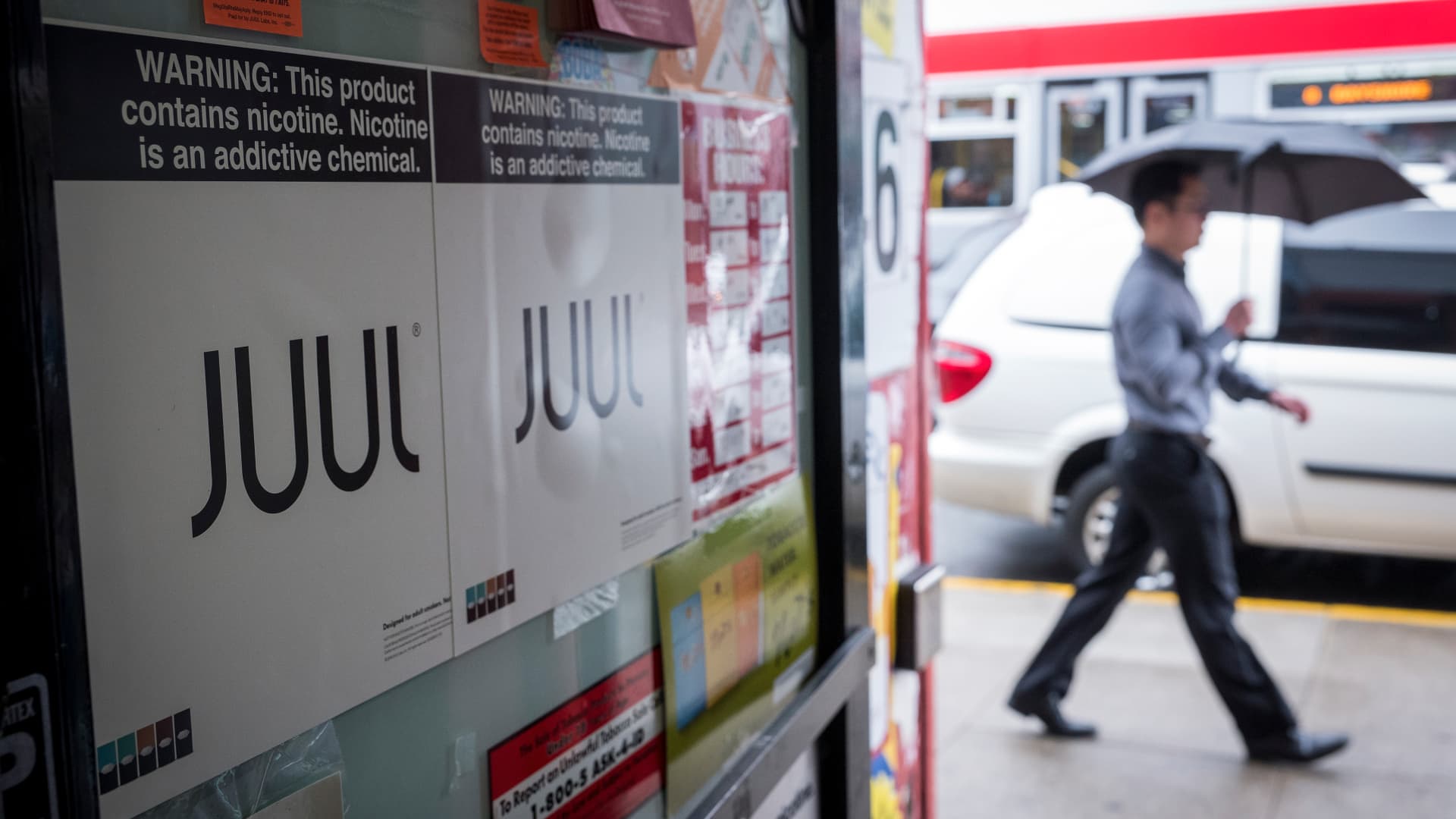
Juul Labs signage is seen in the window of a store in San Francisco, June 25, 2019.

David Paul Morris | Bloomberg | Getty Images

Juul Labs said Wednesday it’s planning to cut about 30% of its workforce as it looks to cut costs and boost profits.

The layoffs will affect about 250 people, reducing the company’s headcount to about 650, a company spokesperson said.

This will reduce operating expenses by $225 million, the Juul spokesperson added.

Juul, which is seeking federal authorization to keep its e-cigarette products on the market, said the cuts will improve its margins and free up cash for litigation settlements.

“Today, Juul Labs is announcing a company restructuring aimed at reducing our operating costs and positioning us to continue to advance our mission during a period of regulatory and marketplace uncertainty,” the company said in a news release.

Last year, the vaping giant had its products ordered off the market by the Food and Drug Administration. Juul appealed the decision and the ban was reversed for the time being.

The company later secured enough financing from early investors to avoid bankruptcy. It also announced plans at the time to lay off nearly a third of staff.

Since then, Juul has been trying to raise more capital from investors as it awaits a decision from U.S. regulators on whether its current products can remain on the market, a company spokesperson said.

The company has also been embroiled in costly legal battles, paying over $1 billion worth of settlements to 45 states for its role in sparking a national surge in teen vaping.

Earlier this week, Juul was sued by Marlboro maker Altria Group, which previously held significant stake in Juul, for alleged patent infringement over certain e-vapor products owned by subsidiary NJOY.

In response to the suit, a Juul spokesperson told CNBC, “We stand behind our intellectual property and will continue to pursue our infringement claims.”