Categories
Science

Biden goes all out within the struggle on coal – what’s happening with it?

By Emily Arthun

May 21, 2024

The Biden administration's war on coal recently emerged from the shadows with the release of a series of new regulations whose clear intention is to close millions of acres of federal land to coal mining and oil and natural gas production and to shut down the country's remaining coal-fired power plants.

The Bureau of Land Management has issued a new rule that will make it virtually impossible to continue mining coal or drilling for oil and gas on federal lands. This will cripple coal mining in the Powder River Basin and other western deposits that provide the majority of the nation's coal used for energy production. This measure alone would have been devastating, but it was only part of a much larger and more far-reaching set of regulatory actions.

The new regulations were a last-minute attack, issued literally days before the deadline for a new president to reverse the decision by executive order. After that announcement, any reversal must be done by action by both houses of Congress or through a court case.

These actions come despite strong warnings from some utility regulators under the Biden administration that closing more baseload capacity (such as coal-fired power plants) could cause the nation's power grid to fail.

The new rules make it virtually impossible for utilities to continue operating coal-fired power plants without investing in new, largely commercially unproven and very expensive carbon capture technologies that could reduce carbon dioxide emissions by 95 percent. The same applies to all new plants that use natural gas, but existing natural gas plants would be exempt from this requirement.

Make no mistake, this new set of regulations has one goal: to force the shutdown of the nation's coal-fired power plants, depriving them of much of their fuel source and making it economically impossible for these plants to continue operating. These measures are not a panacea; they will have ripple effects throughout the economy. They will drive up the already staggering electric bills for millions of American families to unaffordable levels, forcing them to choose between putting food on the table and heating and cooling their homes. Many people on fixed incomes, like retirees living on welfare, will be hit hardest.

And even if you can afford electricity, it may not be there when you need it most. Further shutdowns of baseload generation could (and probably will) push the grid over the limit just when it needs electricity most – in the heat of summer and the cold of winter. This would lead to de facto energy rationing and would also impact the rest of the economy, driving up inflation even further and putting many companies out of business.

Frankly, I don't understand this “to hell with the torpedoes, full speed ahead” approach to regulation. It seems as though the only thing that matters to the Biden administration is loyalty to a radical green agenda, and the needs of average American families aren't even on the radar.

America needs easy access to reliable and affordable energy. That's what this great nation was built on. There's no shortage of coal. There's no shortage of gas or oil. However, this administration seems to lack common sense.

Rather than harnessing our vast resources of coal, oil and gas, the Biden administration appears to be committed economic suicide. Over the next few decades, demand for electricity is expected to skyrocket. How are we going to meet that demand if this administration continues to recklessly chase a green fairytale?

Emily Arthun is President and CEO of the American Coal Council based in Washington, DC

This article was originally published by RealClearEnergy and made available through RealClearWire.

4.4
7
Voices

Article rating

Like this:

How Is loading…

Categories
Sport

Andy Murray is eradicated within the first spherical of the French Open in opposition to Stan Wawrinka

  • Tom Hamilton, Senior EditorMay 26, 2024, 5:12 p.m. ET

    Close

      • At ESPN since 2011
      • Coverage of two Olympic Games, two Rugby World Cups and two British & Irish Lions tours
      • Previously Rugby Editor, Senior Editor in 2018

PARIS – Andy Murray was eliminated in the first round of the French Open on Sunday night, losing to an enthusiastic Stan Wawrinka in straight sets.

The two have each won three Grand Slams, but in this duel of veterans with a combined age of 76, it was Wawrinka who came out on top, winning 6-4, 6-4, 6-2 in 2 hours and 19 minutes.

Editor's Favorites

1 relative

“Disappointed, it was always clear it was going to be tough, a tough match,” Murray said. “Stan has played brilliant tennis on this court and I expected him to play very well tonight but he gave me very few chances. I wish I could have done a bit better – disappointed, but I didn't have extremely high expectations considering how the preparation went beforehand.”

“Physically, tennis is not easy for me at the moment. It is hard and clay has been my surface since the beginning of my career. I had back problems on clay and I'm used to it.”

It was a tennis match that was more like a heavyweight clash as the pair traded powerful groundstrokes and the odd drop shot broke things up as the duo defied their age and captivated the packed crowd. But it was the 39-year-old Wawrinka who prevailed and booked his place in the second round.

Wawrinka was largely in control, his backhand perfect as he pushed Murray around Court Philippe-Chatrier, and he received most of his support from the French crowd, who have been favourites in this area since he won the tournament in 2015.

Wawrinka said of Murray afterwards: “It was definitely emotional; we are nearing the end. We have played against each other so many times over the last 20 years. He is an incredible guy. An incredible player and such a great fighter. We have a lot of respect for each other.”

“I think I played my best game of the year. I played aggressively and I'm super happy with my performance.”

This was always going to be a walkover for Murray, 37. This was only his second visit to Roland Garros in singles in the last seven years – his best result here in Paris was reaching the final in 2016, where he lost to Novak Djokovic. But eight years later, it was Wawrinka – who won the title here in 2015 – who stopped him in the first round.

Andy Murray's participation in the French Open was in doubt after an injury in March. Mateo Villalba/Getty Images

This is widely expected to be Murray's final year on tour after he said in February that he did not plan to “play much beyond this summer,” a period that includes another attempt at the Paris Olympics in August. But just like Rafael Nadal, Murray has not confirmed that this will definitely be his last French Open.

There were doubts as to whether Murray would be fit in time for Roland Garros after tearing ligaments in his ankle at the Miami Open in March. At the time, conservative estimates put his recovery time at between 10 and 12 weeks, putting his chances of competing in the French Open and Wimbledon in doubt.

However, the injury healed faster than expected and he ended up missing competitions for six weeks. During that time, he considered buying a different racket. He tested 10 different options that he bought in Florida and decided to abandon the Head rackets he had used throughout his career and switch to a Yonex Ezone 100 racket, which offers more power.

Murray competed in a Challenger event in Bordeaux in mid-May, losing in the second round to Gregoire Barrere. He also competed in the Geneva Open, but lost in the first round to Yannick Hanfmann. With a record of 1-2 on clay, he went into the French Open, where he was drawn against his old rival Wawrinka.

The two know each other well, and with Murray competing sporadically at the French Open in recent years due to injuries and fitness issues, his last two matches at Roland Garros were both against Wawrinka. The two met in the 2017 semifinals – a match Wawrinka won 6-7 (6), 6-3, 5-7, 7-6 (3), 6-1 – and then again in the first round in 2020, where Wawrinka won in straight sets.

Murray had an overall record of 13-9 against Wawrinka, but the experienced Swiss started better, breaking Murray's serve in the opening game and converting a third break point.

Murray failed to capitalize on a break point in the fourth set and battled to win with powerful baseline shots. Wawrinka fended off a break point in the fourth game and kept Murray spinning back and forth to mix things up. He hit a one-two punch in the sixth game with a dropshot winner and then a stunning backhand smash down the line to the next point.

Murray then managed to fend off three break points in the seventh set and at the same time alert the umpire to a distraction in the crowd in order to hold his serve. The two continued to fight, Murray fended off two set points in the tenth set, but Wawrinka closed out that set 6-4 in 53 minutes.

The second set was similar. As the temperature dropped – with people on the courtside courts wrapping themselves in blankets – Wawrinka continued to dictate the pace of the match, breaking Murray to take a 2-1 lead in the second set. Murray fought, trying to break serve while holding his own – and pulling together a brilliant sequence of shots to win the seventh set – but he could not get back into the set, and Wawrinka won the second set 6-4.

The start of the third set was delayed as Wawrinka took a medical timeout. All the while, Murray paced the baseline trying to keep warm. But Wawrinka showed no ill effects, breaking Murray in the first game of the third set with a backhand hit down the line. Wawrinka held serve and punished Murray's serve again in the third set, winning the second of three break points to take a 3-0 lead. Murray recovered a few games but he couldn't get a handle on Wawrinka's serve, and the Swiss won the third set 6-2 and the match with brutal efficiency.

For Murray, his time at Roland Garros is not over in these two weeks, as he will play in the men's doubles alongside fellow Briton Dan Evans.

Wawrinka's next step in the men's singles will be to play the winner of Monday's match between Cameron Norrie and Pavel Kotov.

Categories
Entertainment

The Greatest Memorial Day Offers on Bedding and Tub in 2024

When is Memorial Day 2024?

Memorial Day falls on May 27, 2024.

When do Memorial Day sales start?

You can shop all Memorial Day weekend long. Or you can get a head start and take advantage of some special deals today.

Which stores have the best deals for Memorial Day 2024?

There are many great Memorial Day 2024 discounts. Here are some of the best deals: Old Navy, Fenty Beauty by Rihanna, Anthropologie, J.Crew Factory, Kate Spade Outlet, Coach Outlet, Pottery Barn, Tatcha, Good American, Gymshark, Uncommon James, Michael Kors, Disney, REI, Zappos, and Sunday Riley.

Which stores offer the best home deals on Memorial Day?

Redecorate your spaces with the best Memorial Day 2024 home deals from top stores like Target, Wayfair, West Elm, Pottery Barn, Rugs.com, QVC, Sur La Table, Walmart, Yankee Candle, Saatva, Sleep Number and Brooklinen.

Where can I find the best Memorial Day deals?

If you love discounts but don't have time to shop, you can rely on E! Insider Shop to track down the best deals. We share the must-shop deals from our favorite retailers every weekday morning.

Which stores always have special offers?

Even if there isn't a specific sale, you can always find great discounts at Nordstrom Rack, Banana Republic Factory, Coach Outlet, Lululemon's We Made Too Much division, Kate Spade Outlet, J.Crew Factory, TJ Maxx, and Marshalls.

Categories
Technology

French AI can problem the “insane” dominance of the US and China

French President Emmanuel Macron has called on his country's AI leaders to challenge the “insane” dominance of US and Chinese tech giants.

Macron’s appeal comes amid a boom in French AI. Under the direction of OpenAI rival MistralThe country has developed into a European hotbed for artificial intelligence.

The mix of highly skilled talent, increased government support and growing investment flows has created fertile ground for startups.

Mistral, the darling of the industry, is barely a year old and is already reportedly aiming for a valuation of $6 billion. Another candidate for the French tech crown is H (formerly Holistic), which this week raised a whopping 220 million dollars in starting capital. The capital increase took place just a few months after the company was founded.

The <3 of EU technology

The latest gossip from the EU tech scene, a story from our wise old founder Boris and questionable AI art. Free in your inbox every week. Sign up now!

Macron described both companies as potential technology giants. However, Europe is currently still far behind the leading companies from the USA and China. None of the ten largest technology companies by market capitalization are based on the continent and only a few are represented in the top 50.

The French President condemned this landscape.

“It's crazy to have a world where the big giants only come from China and the United States,” he said in an interview with CNBC on Thursday.

“We need many more big European players and I think Mistral AI can be one of them.”

The 46-year-old also highlighted H's potential, pointing to the startup's impressive fundraising and decision to launch in Paris, but acknowledged that France still lags behind the US in terms of innovation and entrepreneurship.

To address this problem, Macron has cut red tape, relaxed labor protections and lowered taxes for the rich. He has also attracted foreign investment, including a €15 billion financing package from companies such as Microsoft and Amazon that he announced earlier this month.

Macron has also committed to a pan-European AI strategy. At a meeting in Elysee Palace This week he hinted at the first step of a new plan:

“Our goal is Europeanization [AI]and we will start with a German-French initiative.”

Categories
Science

May atmospheric samples from Mars inform us extra in regards to the Purple Planet than floor samples?

NASA is actively working over the next few years to bring back surface samples from Mars that it hopes will help us better understand whether life once existed on the Red Planet's surface billions of years ago. But what about atmospheric samples? Could these give scientists better information about Mars' history? That's the goal of a recent study presented at the 55th Lunar and Planetary Science Conference, where a team of international researchers examined the significance of the returned atmospheric samples from Mars and how they could tell us about the Red Planet's formation and evolution.

Here, Universe Today discusses this research with the study's lead author, Dr. Edward Young, professor in the Department of Earth, Planetary and Space Sciences at UCLA, and study co-author Dr. Timothy Swindle, professor emeritus at the University of Arizona's Lunar & Planetary Laboratory. They cover the motivation behind the study, how to obtain atmospheric samples, current or planned missions, follow-up studies, and whether they believe there was ever life on the Red Planet. So what was the motivation for the study?

Dr Young tells Universe Today: “We learn a lot about the formation of a planet from its atmosphere and rocks. In particular, isotope ratios of certain elements can determine the processes that led to the planet's formation.”

Photo credit: European Space Agency

Dr Swindle adds: “There are two basic motivations. First, we plan to bring back all these rock samples and we want to know how they interacted with the atmosphere, but we can't find that out without knowing the composition of the atmosphere in detail. So we need an atmospheric sample to know what the rocks might have exchanged elements and isotopes with. But we would also like a sample of the Martian atmosphere to answer some fundamental questions about processes that have taken place or are taking place on Mars. For example, Martian meteorites contain trapped atmospheric noble gases such as krypton and xenon. But it appears that these meteorites contain at least two different 'atmospheric' components.”

For the study, researchers suggested several benefits of returning a Martian atmosphere sample to Earth. These include atmospheric samples contained in the sample tubes of NASA's Perseverance (Percy) rover and insights into possible solar damage inside Mars, evolutionary trends in atmospheric composition, the nitrogen cycle, and methane sources on Mars. For Percy's atmospheric sample, also known as Sample #1 “Roubion,” the study notes that this sample was obtained after Percy attempted to collect a rock core sample but collected atmospheric gases instead. In addition, the study suggests that the sample tube will not leak while waiting for its return to Earth, and that the gases present in the sample will be ideal for analysis even after it returns to Earth. But aside from the sample from the Percy rover, how else could a Martian atmosphere sample be obtained?

“At least two other ideas have been proposed for taking a sample of the Martian atmosphere,” Dr. Swindle tells Universe Today. “One is to fly a spacecraft through the Martian atmosphere, take a sample, and then bring it back to Earth. The other is to have a sample return 'canister' (it doesn't have to be any bigger than a Perseverance tube) that has valves and a (Mars) air compressor. You could land it on the Martian surface, open the valve to the atmosphere, turn on the compressor, and take a sample containing hundreds or thousands of times as much Martian atmosphere as a simply sealed volume with no compression, as Perseverance has done and hopefully will do again.”

Dr. Swindle and Dr. Young both mention the Sample Collection for Investigation of Mars (SCIM) mission, proposed in 2002 by a team of NASA and academic researchers with the goal of collecting atmospheric samples at an altitude of 40 kilometers (25 miles) above the Martian surface and returning them to Earth for further analysis. Unfortunately, although SCIM was selected as a semi-finalist for the 2007 Mars Scout Program, it was not selected for further development, and both Dr. Young and Dr. Swindle tell Universe Today that there are currently no atmospheric sampling missions planned other than sampling for the Percy rover. What follow-up studies to this research are currently underway or planned?

Dr. Swindle and Dr. Young both mention that due to the small size of the sample tubes, they are trying to collect small amounts of atmospheric gas. Dr. Swindle told Universe Today, “A big question right now is how well a sealed Perseverance tube can contain an atmospheric sample. How good is the seal? Could the tube leak in a hard landing? Would some molecules of the Martian atmosphere stick to the coating of the tubes? There has been some activity on all of these questions, and so far the answers have all been good – it looks like these Perseverance tubes could work well, even though they weren't really designed to collect atmospheric samples.”

As mentioned, collecting and returning an atmospheric sample from Mars could help scientists better understand the formation and evolution of the Red Planet. Today's Mars is a very cold and dry world with an atmosphere that is only a fraction of Earth's. Liquid water cannot exist on its surface, nor does it experience active volcanism. However, in recent decades, significant evidence from landers, rovers, and orbiters suggests that billions of years ago, after Mars formed, it looked very different. This included an active interior that generated a magnetic field that protected the surface from harmful solar and cosmic radiation, a much denser atmosphere replenished by active volcanism, and flowing liquid water, all of which may have led to the existence of some life forms on the surface.

However, given Mars' small size (half the size of Earth), this means that its internal heat cooled much more quickly (possibly over millions of years), causing volcanism to become dormant and the magnetic field generated by the activity inside to weaken. The latter led to damaging solar and cosmic radiation leaching the atmosphere and causing the liquid water on the surface to evaporate into space. So do Dr Young and Dr Swindle believe there was ever life on Mars, and will we ever find it?

Dr. Young tells Universe Today: “I really don't know. I think microbial life at some point in the past or even now is a reasonable hypothesis, but we don't have enough information.”

Dr Swindle also expressed uncertainty as to whether life ever existed on Mars, but explained to Universe Today: “If not, why did life begin so early on Earth but not on Mars, which had a similar climate at the time? If so, how similar is it to life on Earth? Since Earth and Mars are constantly exchanging rocks due to impacts, the question is whether life on Earth is related to life on Mars. If it did exist, it will be difficult to find. But an atmospheric sample could help. For example, there appears to be methane in the Martian atmosphere. Most, but not all, of the methane in Earth's atmosphere is biological in origin, and analyzing the relative ratios of carbon or hydrogen isotopes is one of the best ways to find out.”

When will we get an atmospheric sample from Mars and what will we learn from it about the formation and evolution of the Red Planet in the coming years and decades? Only time will tell, and that's why we do science!

As always, keep doing science and keep looking up!

Like this:

How Is loading…

Categories
Health

Neuralink-Konkurrent Precision Neuroscience testet menschliches Gehirnimplantat

Dr. Joshua Bederson platziert die Elektroden von Precision Neuroscience auf einem Gehirn.

Ashley Capoot

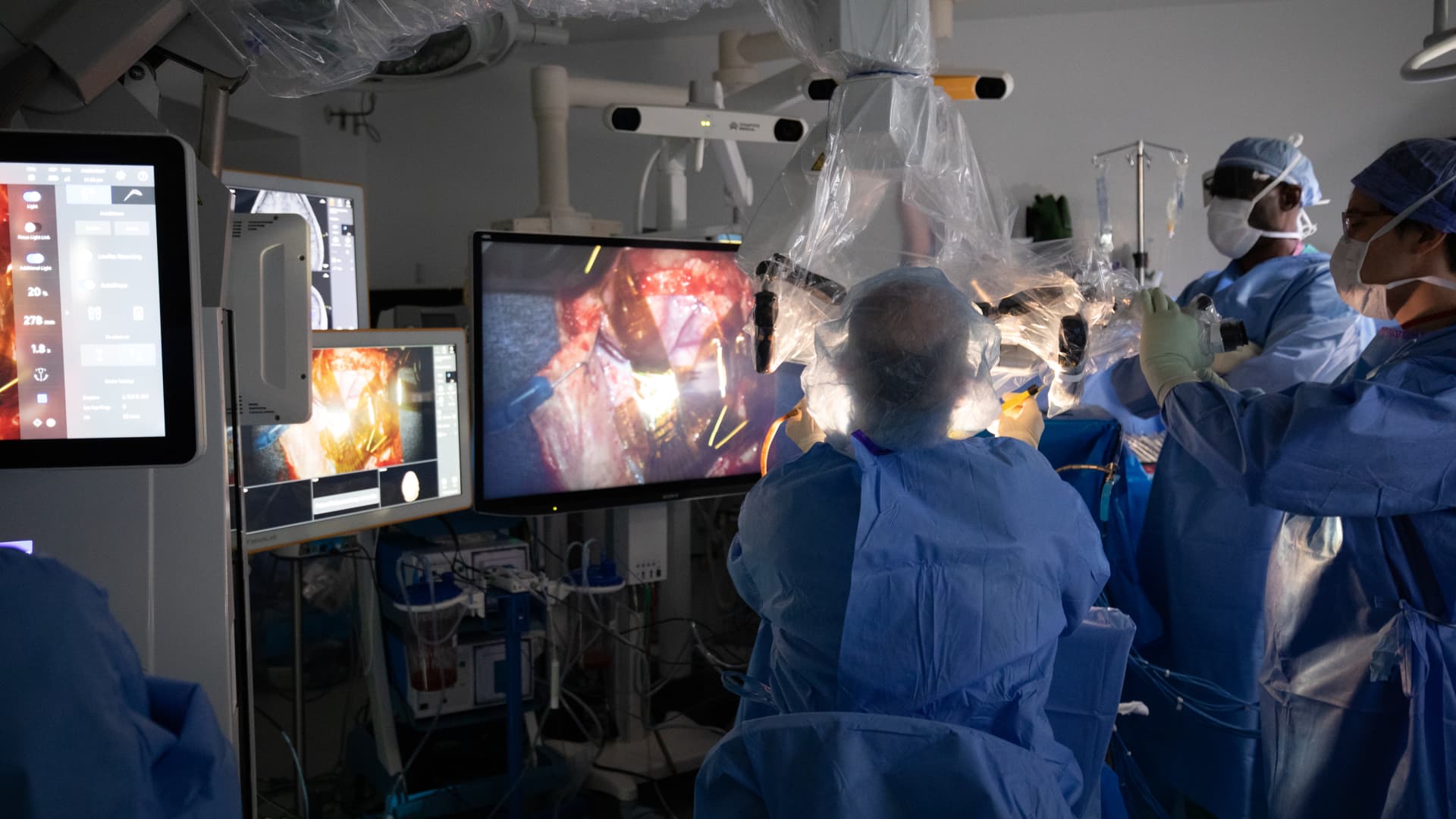
Als im Operationssaal des Mount Sinai Hospital in New York City das Licht gedimmt wurde, bereitete sich Dr. Joshua Bederson darauf vor, Geschichte zu schreiben.

Bederson, Leiter der Abteilung für Neurochirurgie am Mount Sinai Health System, ist es gewohnt, lange Stunden im Operationssaal zu verbringen. Der ehemalige Leistungsturner hat in seiner Karriere mehr als 6.500 Eingriffe durchgeführt und sagt, er stelle sich die einzelnen Schritte vor, als würde er eine Routine proben.

An diesem Morgen im April bereitete sich Bederson auf eine Meningiomresektion vor, was bedeutete, dass er einen gutartigen Gehirntumor entfernen würde. Bederson sagte, sein Hauptaugenmerk liege immer auf der Pflege des Patienten, aber in manchen Fällen könne er auch dazu beitragen, die Wissenschaft voranzubringen.

Dieses Verfahren war ein solcher Fall.

Eine kleine Menschenmenge versammelte sich, als Bederson im Operationssaal Platz nahm. Seine Silhouette erstrahlte im hellen weißen Licht, das auf den Patienten vor ihm schien. Mitarbeiter des Gesundheitswesens, Wissenschaftler und CNBC reckten sich nach vorn – einige spähten durch Fenster –, um zuzusehen, wie Bederson zum ersten Mal vier Elektrodenanordnungen von Precision Neuroscience auf der Oberfläche des Gehirns des Patienten platzierte.

Eine Elektrode ist ein kleiner Sensor, der ein elektrisches Signal erfassen und übertragen kann, und ein Array ist ein Gitter aus Elektroden. Neurochirurgen verwenden bei einigen Eingriffen Elektroden, um wichtige Teile des Gehirns zu überwachen und zu schonen, beispielsweise Bereiche, die Sprache und Bewegung steuern.

Precision ist ein drei Jahre altes Startup, das eine Gehirn-Computer-Schnittstelle (BCI) entwickelt. Eine BCI ist ein System, das neuronale Signale dekodiert und in Befehle für externe Technologien übersetzt. Das vielleicht bekannteste Unternehmen auf diesem Gebiet ist Neuralink, das im Besitz von Tesla und SpaceX-CEO Elon Musk.

Andere Unternehmen wie Synchron und Paradromics haben ebenfalls BCI-Systeme entwickelt, obwohl ihre Ziele und Designs alle unterschiedlich sind. Die erste Anwendung des Systems von Precision wird darin bestehen, Patienten mit schweren Lähmungen zu helfen, Funktionen wie Sprache und Bewegung wiederherzustellen, heißt es auf der Website des Unternehmens.

Stephanie Rider von Precision Neuroscience inspiziert das Mikroelektrodenarray des Unternehmens

Quelle: Precision Neuroscience

Precisions Flaggschiff-BCI heißt Layer 7 Cortical Interface. Es handelt sich um eine Mikroelektrodenanordnung, die dünner als ein menschliches Haar ist und einem Stück gelbem Klebeband ähnelt. Jede Anordnung besteht aus 1.024 Elektroden und Precision sagt, dass sie sich der Oberfläche des Gehirns anpassen kann, ohne Gewebe zu beschädigen.

Als Bederson während der Operation im April vier Arrays des Unternehmens verwendete, stellte er laut Precision einen Rekord für die höchste Anzahl von Elektroden auf, die in Echtzeit am Gehirn platziert wurden. Aber was vielleicht noch wichtiger ist: Die Arrays konnten Signale von den einzelnen Fingern des Patienten erfassen, was eine weitaus größere Detailgenauigkeit ermöglicht, als Standardelektroden erfassen können.

Die Verwendung des Elektrodenarrays von Precision sei, als würde man ein verpixeltes Bild mit niedriger Auflösung in ein 4K-Bild umwandeln, sagte Ignacio Saez, außerordentlicher Professor für Neurowissenschaften, Neurochirurgie und Neurologie an der Icahn School of Medicine am Mount Sinai. Saez und sein Team beaufsichtigen die Arbeit von Precision mit Mount Sinai.

„Statt 10 Elektroden bekommt man 1.000 Elektroden“, sagte Saez in einem Interview mit CNBC. „Die Tiefe, die Auflösung und die Details, die man erhält, sind völlig anders, obwohl sie irgendwie die gleiche zugrunde liegende neurologische Aktivität widerspiegeln.“

Bederson sagte, dass der Zugriff auf diese Detailgenauigkeit Ärzten in Zukunft dabei helfen könnte, bei Operationen und anderen Eingriffen behutsamer vorzugehen. Für Precision wird die Fähigkeit, Signale einzelner Finger aufzuzeichnen und zu dekodieren, von entscheidender Bedeutung sein, da das Unternehmen daran arbeitet, Patienten letztendlich dabei zu helfen, die Feinmotorik wiederzuerlangen.

Die Daten markieren einen Meilenstein für Precision, aber bis einige seiner ehrgeizigeren Ziele erreicht sind, liegt noch ein langer Weg vor ihm. Das Unternehmen arbeitet noch an der Zulassung durch die US-amerikanische Gesundheitsbehörde FDA und hat noch keinem Patienten eine dauerhaftere Version seiner Technologie implantiert.

„Ich denke, das sind kleine Babyschritte in Richtung des ultimativen Ziels einer Gehirn-Computer-Schnittstelle“, sagte Bederson in einem Interview mit CNBC.

Im Operationssaal

Dr. Joshua Bederson bereitet sich auf eine Operation im Mount Sinai Hospital vor.

Ashley Capoot

Bedersons Operation im April war nicht Precisions erster Rodeo. Tatsächlich war es das 14. Mal, dass das Unternehmen sein Array im Gehirn eines menschlichen Patienten platzierte.

Precision arbeitet mit akademischen medizinischen Zentren und Gesundheitssystemen zusammen, um eine Reihe klinischer Studien am Menschen durchzuführen. Die Ziele jeder Studie sind unterschiedlich, und das Unternehmen gab im März seine Zusammenarbeit mit Mount Sinai bekannt.

Am Mount Sinai erforscht Precision verschiedene Einsatzmöglichkeiten für sein Array in klinischen Umgebungen, beispielsweise wie es zur Überwachung des Gehirns während einer Operation eingesetzt werden kann. Bei diesen Eingriffen platzieren Chirurgen wie Bederson Precisions Array vorübergehend bei Patienten, die sich aus medizinischen Gründen bereits einer Gehirnoperation unterziehen.

Die Patienten geben vorab ihr Einverständnis zur Teilnahme.

Bei solchen Eingriffen ist es Routine, dass Neurochirurgen Gehirnsignale mithilfe von Elektroden kartieren. Bederson sagte, dass derzeit gängige Praxis darin besteht, zwischen vier und fast 100 Elektroden zu verwenden – weit entfernt von den 4.096 Elektroden, die er testen wollte.

Elektrodenanordnungen von Precision Neuroscience auf einem Tisch ausgestellt.

Ashley Capoot

Die Arrays von Precision werden bei einem kurzen Teil dieser Operationen verwendet, sodass CNBC im April in den Operationssaal kam, als der Eingriff bereits im Gange war.

Der Patient, der anonym bleiben wollte, schlief. Bedersons Team hatte bereits einen Teil seines Schädels entfernt, wodurch eine Öffnung von der Größe einer Kreditkarte entstand. Vier von Precisions Arrays lagen sorgfältig auf einem Tisch in der Nähe.

Nachdem der Zustand des Patienten stabilisiert war, betraten Precisions Mitarbeiter nach und nach den Operationssaal. Sie halfen dabei, die Arrays in einem Bogen um die Öffnung am Kopf des Patienten anzubringen, und schlossen Bündel langer blauer Kabel am anderen Ende an einen Wagen voller Geräte und Monitore an.

Dr. Benjamin Rapoport, Mitbegründer und wissenschaftlicher Leiter von Precision, schaute ruhig zu. Jeder größere Eingriff birgt gewisse Risiken, aber der Neurochirurg mit der sanften Stimme ließ sich nie von seiner ruhigen Haltung abbringen. Er sagte gegenüber CNBC, dass jeder neue Fall genauso aufregend sei wie der letzte, insbesondere da das Unternehmen noch immer dazulerne.

Experten helfen beim Einrichten der Verkabelung für die Technologie von Precision Neuroscience.

Ashley Capoot

Bederson betrat den Operationssaal, als Precisions Vorbereitungen sich dem Ende näherten. Er half dabei, letzte Änderungen an der Einrichtung vorzunehmen, und die Deckenbeleuchtung im Operationssaal wurde ausgeschaltet.

Das Geplapper verstummte zu gedämpftem Flüstern. Bederson war bereit, loszulegen.

Zunächst zog er vorsichtig eine faserige Membran, die sogenannte Dura, zurück, um die Oberfläche des Gehirns freizulegen. Er legte ein paar Minuten lang einen Standardstreifen mit Elektroden auf das Gewebe und dann war es an der Zeit, Precisions Technologie zu testen.

Mit einer gelben Pinzette, einer sogenannten langen Bajonettzange, begann Bederson, alle vier Elektrodenanordnungen von Precision am Gehirn des Patienten zu platzieren. Die ersten beiden Anordnungen gelang ihm problemlos, die letzten beiden gestalteten sich jedoch etwas schwieriger.

Bederson arbeitete mit einem kleinen Abschnitt von Hirngewebe, was bedeutete, dass die Arrays genau im richtigen Winkel angeordnet werden mussten, damit sie flach lagen. Als Referenz stellen Sie sich vor, Sie würden die Enden von vier separaten Maßbändern auf einer Fläche anordnen, die etwa so groß wie ein Gummiband ist. Es erforderte ein wenig Umkonfiguration, aber nach ein paar Minuten hatte Bederson es geschafft.

Echtzeit-Darstellungen der Gehirnaktivität des Patienten liefen über die Monitore von Precision im Operationssaal. Alle vier Arrays funktionierten.

In einem Interview nach der Operation sagte Bederson, es sei „kompliziert“ und „etwas umständlich“ gewesen, alle vier Arrays gleichzeitig zu platzieren. Aus gestalterischer Sicht wären seiner Meinung nach zwei Arrays mit doppelt so vielen Kontaktpunkten oder längere Arrays mit größerem Abstand hilfreich gewesen.

Bederson verglich die Arrays mit Spaghetti, und die Beschreibung war treffend. Von CNBCs Beobachtungsposten aus war es schwer zu erkennen, wo eines aufhörte und das nächste begann.

Nachdem alle Arrays platziert waren und aktiv Signale erfassten, stand Rapoport von Precision mit seinem Team an den Monitoren, um die Datenerfassung zu überwachen. Er sagte, die Forschung sei das Ergebnis einer echten Teamleistung von Unternehmen, Gesundheitssystem und Patient, der die Vorteile der Technologie in diesem Stadium oft noch nicht zu Gesicht bekomme.

„Es braucht ein ganzes Dorf, um so etwas voranzubringen“, sagte Rapoport.

CNBC verließ den Operationssaal, als Bederson mit der Entfernung des Tumors begann, sagte aber, der Eingriff sei gut verlaufen. Der Patient wachte danach mit einer leichten Schwäche im Fuß auf, da die Operation in diesem Teil des Gehirns durchgeführt worden war, aber Bederson sagte, er rechne damit, dass sich der Fuß in etwa drei bis vier Wochen erholen würde.

Mitarbeiter von Precision Neuroscience sammeln Daten.

Ashley Capoot

Aufgrund seiner Funktion bei Precision war Rapoport bei dieser speziellen Operation anwesend, er ist jedoch mit den Operationssälen am Mount Sinai gut vertraut.

Rapoport ist praktizierender Chirurg und Assistenzprofessor für Neurochirurgie an der Icahn School of Medicine am Mount Sinai. Rapoport untersteht Bederson, und Bederson sagte, die beiden kennen sich seit Rapoports Assistenzzeit bei Weill Cornell Medicine.

Dr. Thomas Oxley, CEO des konkurrierenden BCI-Unternehmens Synchron, ist ebenfalls Dozent bei Bederson. Synchron hat ein stentähnliches BCI entwickelt, das durch die Blutgefäße eines Patienten eingeführt werden kann. Bis Anfang Februar hatte das Unternehmen sein System bereits bei zehn Patienten implantiert. Es arbeitet derzeit auch an der Zulassung durch die FDA.

Bederson besitzt einen Kapitalanteil an Synchron, sagte gegenüber CNBC jedoch, er habe nicht gewusst, wie sehr ihn dies daran hindern würde, an der Forschung mit dem Synchron-Team teilzunehmen. Er hat kein Geld an Precision investiert.

„Ich wollte wirklich kein finanzielles Interesse an Precision haben, weil ich glaube, dass es eine ebenso vielversprechende Zukunft hat, und ich die Wissenschaft so schnell wie möglich voranbringen wollte“, sagte Bederson.

Rapoport war 2017 auch Mitbegründer von Musks Neuralink, verließ das Unternehmen jedoch im folgenden Jahr. Neuralink entwickelt ein BCI, das direkt in das Gehirngewebe eingesetzt werden soll, und das Unternehmen erhielt kürzlich die Genehmigung, es seinem zweiten menschlichen Patienten zu implantieren, wie aus einem Bericht des Wall Street Journals vom Montag hervorgeht.

Bederson sagte, dass das Wissen der Wissenschaftler über das Gehirn in den nächsten Jahren „explodieren“ werde, während die BCI-Industrie immer mehr Fahrt aufnimmt. Unternehmen wie Precision stehen noch ganz am Anfang.

Dr. Joshua Bederson hilft beim Einrichten der Elektrodenanordnungen von Precision Neuroscience.

Ashley Capoot

„Ich glaube wirklich, dass die Zukunft das Spannende ist“, sagte Bederson.

Laut Rapoport hofft Precision, „innerhalb weniger Monate“ die FDA-Zulassung für die kabelgebundene Version seines Systems zu erhalten. Diese Version, die CNBC im Operationssaal gesehen hat, sei für den Einsatz in Krankenhäusern oder Pflegestationen für jeweils bis zu 30 Tage vorgesehen, sagte er.

Das permanente Implantat von Precision, das Signale drahtlos überträgt, wird ein separates Genehmigungsverfahren bei der FDA durchlaufen.

Laut Rapoport hofft Precision, bis Ende des Jahres „einige Dutzend“ Patienten mit der kabelgebundenen Version seiner Technologie zu implantieren. Diese Datensammlung würde dem Unternehmen ein „sehr hohes Maß an Vertrauen“ in seine Fähigkeit verleihen, Bewegungs- und Sprachsignale in Echtzeit zu dekodieren, sagte er.

„Innerhalb weniger Jahre werden wir eine weitaus fortschrittlichere Version der Technologie auf dem Markt haben“, sagte Rapoport.

Categories
Sport

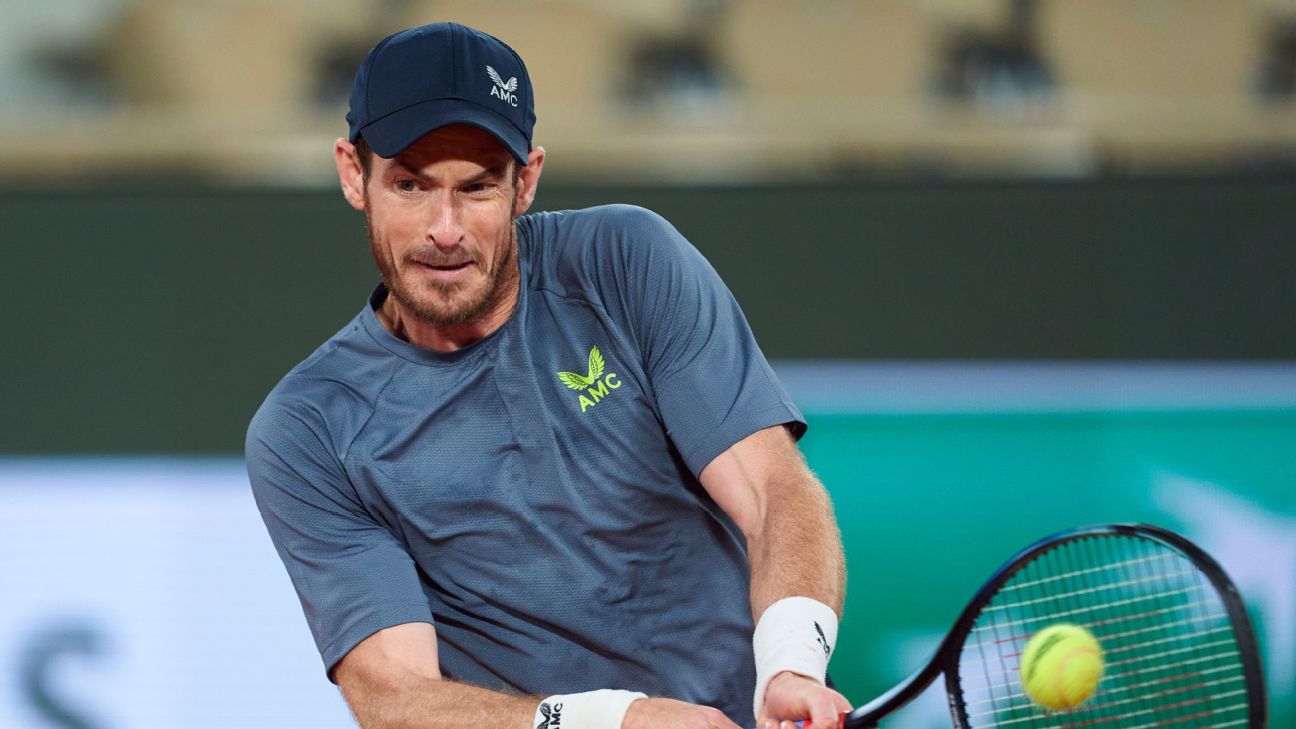
Rafael Nadal says this won’t be his final French Open

May 25, 2024, 8:15 a.m. ET

PARIS – Rafael Nadal smiled. He joked. He sounded optimistic. He played well and felt better in training. He can't wait to get going at Roland Garros after struggling with hip and stomach problems for so long.

Oh, and then there's this little tidbit he dropped during a pre-tournament press conference on Saturday: This French Open might not be the 14-time champion's last appearance at his favorite event, one he called “magical.”

Because of his age—he turns 38 on June 3—and injuries, as well as previous statements that 2024 would likely be his last year on tour, everyone from other players to fans to the media assumed this would be his farewell appearance at the French Open.

When asked if that was true, Nadal grinned and replied: “Don’t assume so.”

Editor's Favorites

2 relatives

“It's very likely that it will be my last Roland Garros,” Nadal said. “But if I have to tell you that it will be 100% my last Roland Garros? I'm sorry, but I won't do that. Because I can't predict what will happen.”

The Spaniard missed much of the last two seasons due to health problems, including hip surgery that forced him to sit out the French Open a year ago, his first absence there since making his debut as a teenager. He has a record of just 7-4 in 2024 and expressed slight doubts about whether he would even take part in the clay-court tournament in Paris after a resounding defeat at the Italian Open two weeks ago – he called it a “disaster” on Saturday.

But he has shown up and practiced this week in front of a raucous, supportive crowd. With his ranking so low after so little activity – once No. 1, he is currently No. 276 – Nadal did not benefit from a seeding and was drawn to face No. 4 seed Alexander Zverev in a showdown that will take center stage on Monday, the second day of the tournament.

“Ideally, I would have liked to play him in the later stages of the tournament, but that's the way it is. He's unseeded this year, I'm seeded,” Zverev said. “You know, it's a difficult draw, but it's a difficult draw for both of us. We'll see how it goes.”

Nadal said he could move more confidently than ever before and felt like he could now compete with anyone, a feeling that hadn't gone away for a while.

“I will probably say that it is the first week since my return to tennis that I can walk properly without having major limitations,” he said. “That gives me courage.”

Zverev has just won a title in Rome and could be a popular candidate as the most talented player to win a Grand Slam trophy to date. He finished runner-up at the 2020 US Open and was at the peak of his career two years ago at Roland Garros, when he faced Nadal in the semifinals but was forced to retire due to a torn ligament in his right ankle and was wheeled off Court Philippe Chatrier in a wheelchair.

When Zverev's brother, former player Mischa, informed him of the draw result on Thursday, Zverev thought he had taken it as a joke.

And Zverev – whose ongoing court case related to allegations of domestic violence by an ex-girlfriend will continue with a hearing in his native Germany next week – said he could not go into Monday's match with the thought of facing a weakened Nadal.

“In my mind I will play against Rafa Nadal at his best. That's what I expect from him. I expect him to reach his absolute top level,” said Zverev. “I expect him to play the best tennis he has played in a long time on this court.”

Nadal eventually won his 22nd major title at the 2022 French Open despite his left foot being so sore he needed nerve-numbing injections, so competing in less than perfect health is nothing new.

He injured his hip in a second-round loss at the Australian Open in January 2023 and later had to undergo surgery. A comeback that January was prevented by a tear in a hip muscle near that original injury. A recurrence of an abdominal problem hampered Nadal later that season.

And although Nadal has often hinted that retirement is imminent, he said on Saturday that he “does not want to close the door 100 percent” because he enjoys playing tennis, enjoys traveling with his wife and young son and, he added, “I have not yet been able to find the right way to play again in more or less healthy condition and without limitations.”

On Saturday, he asked that no questions be asked about his future while he gets everything clear. About a possible return to the French Open. About how much longer he will be on tour.

“Give me some time,” Nadal said. “Maybe in a month and a half I'll say, 'OK, that's enough. I can't go on.' But today I somehow can't guarantee that this will be the last time.”

Categories
Entertainment

Deiondra Sanders and Jacquees talk about whether or not their son will likely be a junior

Deiondra Sanders is convinced that her little boy with singer Jacquees will not be a junior – and she explains why.

RELATED: WATCH: Jacquees & Deiondra Sanders' 'Explosive' Gender Reveal

In a vlog on the expectant mother's YouTube channel, she explains to the father of her child that her son will also have her last name because she is not married.

In the video, the couple chatted about the new terms of a bet they made about the baby's gender. As The Shade Room previously reported, the couple announced an “explosive” gender reveal earlier this month. Originally, the person who guessed the gender incorrectly would have had to jump in the pool. However, Sanders revealed that they had to change the terms because she had just had surgery.

Deiondra suggested that if the new father won the bet, she would have to give her massages four times a week. Jacquees replied: “My damn hands fell off.” After some persuasion from Deiondra, he finally agreed and announced his winning conditions.

“If he's a boy, his name will be Junior.” explained Jacquees.

Sanders immediately rejected his idea.

“I don't agree. I'm sorry,” she said, adding, “Technically, it can't be a junior… 'Sanders-Broadnax' is not a junior.”

Jacquees tried to convince her to see things from his point of view, but the expectant mother had made up her mind.

“That won't happen because I'm not married. So my last name will be dropped too.” explained Deiondra.

Reactions on social media to the couple’s conversation

Commenters under The Shade Room's post were more interested in the name debate than the gender bet. Some Roomies agreed with their statements.

@missbriap said: “The wisest and best thing she's said yet… Yes, baby.”

“Good for her. The baby shouldn't have his last name before hers.” @astoldbybrittanyd co-signed.

Other roommates disagreed with Deiondra's logic.

@dr_veenp said, “You don't name your baby after the father because you're not married to him, but you let him impregnate you without being married? Girl, give the baby his father's last name and sit down.”

“So, you can have a baby with someone without being married, but if the baby takes his father's last name, that's the limit for you.???? Okkk,” @rudegirlririi wrote.

On Friday, May 24, Sanders used The Shade Room's comments section to further explain her stance.

“I SAID my last name would be transferred to our child's name because I am not married and still use my last name,” she wrote. “Que has also worked very hard for his own legacy and of course his son will also carry his last name. 💙”

Roomies, do you agree with Sanders? Or do you think the couple should name their child after Jacquees Junior?

RELATED: Deiondra Sanders Gives Baby Bump Update Days After Dreezy Seemingly Hinted Jacquees Is Still On Her Line
Categories
Science

Fuel costs throughout Biden’s video games (upcoming election?) – What’s happening?

Out of MasterRsource

By Allen Brooks — May 23, 2024

“The hypocrisy of the Biden administration, which is basing lower gasoline prices at the start of the summer driving season on fulfilling a congressional mandate, is not surprising.”

“We now have the incredible scenario that Democrats in Congress and Biden are prepared to empty gasoline reserves just days before the start of hurricane season.”

The Energy Department announced Tuesday that it will begin selling the one million barrels of gasoline from the Northeast Gasoline Supply Reserve. Bids for the supply must be submitted on May 28, with delivery to be made by June 30. Bids will be accepted for batches of 100,000 barrels. The supply represents 42 million gallons of gasoline and will be stored in commercial storage tanks in Maine and New Jersey.

The sale was mandated by the sweeping congressional appropriations bill (HR 2882), which passed in late March with procedural shenanigans from Senate Leader Chuck Schumer. As you'll recall, in the final hours of Friday before Congress' week-long Easter recess, the House of Representatives passed the bill, which provides funding to keep government running through the end of the fiscal year on Sept. 30, by a vote of 286 to 134. The bill was sent to the Senate, which passed it in the early hours of Saturday morning and sent it to the White House that evening for President Joe Biden's signature. Importantly, more Democrats than Republicans voted for the bill in the House, while more than 100 Republicans voted against it.

We now have the astonishing scenario that Democrats in Congress and Biden are poised to empty gasoline reserves just days before hurricane season begins. Energy Secretary Jennifer Granholm said in a statement, “By strategically releasing these reserves between Memorial Day and July 4, we are ensuring adequate supplies to the three states and the Northeast at a time when hardworking Americans need them most.” How funny that the Biden administration is boasting about helping consumers by implementing a measure mandated by Congress.

I recently wrote about our drive from Houston to Rhode Island. My article was about gas prices and how they were rising north, largely due to higher state taxes in the Northeast states. I commented on Biden's election problem with high gas prices and our expectation that he would repeat his 2022 push to tap the Strategic Oil Reserve to lower pump prices in the run-up to the November election. He was successful, but as one graph shows, gas prices at the pump have increased 53% since Biden took office.

Biden was successful in lowering gasoline prices by boosting the SPR in 2022.

The gasoline reserve was created in 2014, two years after Superstorm Sandy struck the Northeast and disrupted fuel supplies, driving up gasoline prices. Some stations went without fuel for 30 days. Maintaining gasoline supplies in the region reduces the risk to consumers during future storm disruptions.

The East Coast states rely on the Colonial Pipeline for 55% of their gasoline, diesel and jet fuel supplies.

The vulnerability of Northeast and Mid-Atlantic states to fuel supply disruptions was demonstrated on May 7, 2021, when the Colonial Pipeline fell victim to a ransomware attack. The pipeline, which begins in Houston and runs to New York, supplies East Coast states with 55% of their petroleum fuels – gasoline, diesel, and jet fuel. The pipeline was shut down to protect its operations and billing system. After the ransom was paid, operations slowly resumed.

Due to panic buying, fuel shortages occurred at gas stations as the pipeline was shut down for several days. By the fourth day, Alabama, Florida, Georgia, North Carolina and South Carolina were reporting shortages. Areas from northern South Carolina to southern Virginia were the hardest hit. On May 11, 71% of gas stations in Charlotte were out of fuel, and on May 14, 87% of gas stations in Washington, DC were out of fuel. Average fuel prices rose to their highest levels since 2014, reaching more than $3 per gallon. The availability of jet fuel prompted several airlines operating out of Charlotte to change their fueling policies, including forced fuel stops for long-haul flights.

It is estimated that the sale of the gasoline reserves will generate $125 million, but will mainly reduce storage costs. The Department of Energy's 2022 report on the SPR states that operating and maintaining the gasoline reserves costs about $13 per barrel annually, compared to about 30 cents per barrel for crude oil in the SPR.

The hypocrisy of the Biden administration in attributing lower gasoline prices at the start of the summer driving season to fulfilling a congressional mandate is not surprising. It is also astonishing how shortsighted Democrats are, particularly those in the Northeast states that voted for the appropriations bill. Their shortsightedness is laughable considering how much the region's energy supply is at risk from supply disruptions on the eve of the start of hurricane season, which is expected to be extremely severe.

—————–

For more contributions by G. Allen Brooks, see Energy Musings: Insights into the Energy Industry, where this post first appeared. It has been lightly edited for publication here. Mr. Brooks is a long-time participant, observer and commentator on the energy industry. He has served as a Wall Street securities analyst, manager of an oil services company, advisor to energy company executives, member of the board of directors of numerous energy companies, and author and commentator on energy markets and trends.

Like this:

How Is loading…

Categories
Health

Eli Lilly invests to extend provide of Mounjaro and Zepbound

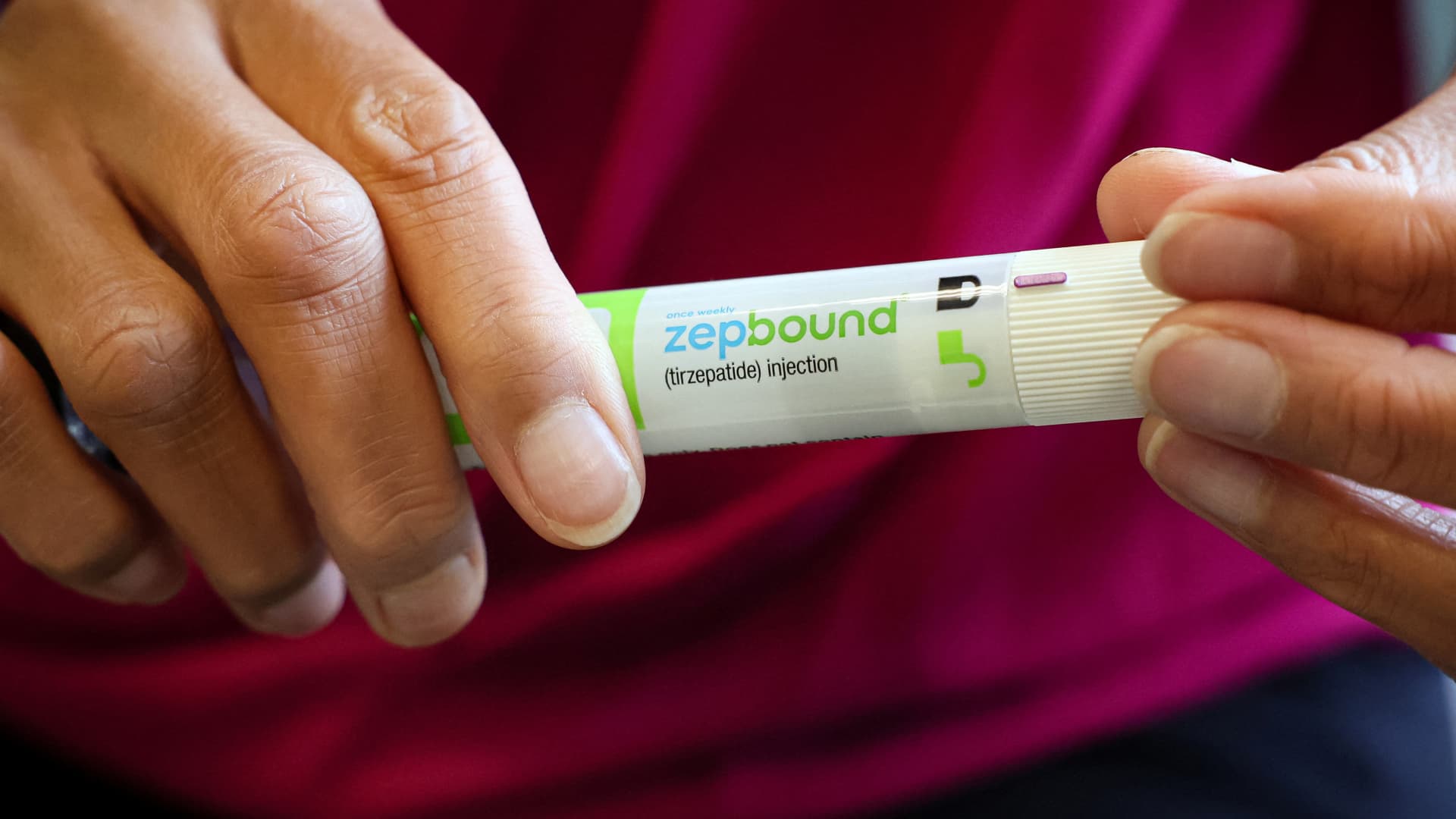
An injection pen of Zepbound, Eli Lilly's weight loss drug, is displayed in New York City on December 11, 2023.

Brendan McDermid | Reuters

Eli Lilly announced Friday that the company is investing an additional $5.3 billion in a manufacturing facility in Lebanon, Indiana, to boost supplies of its hugely popular weight-loss drug Zepbound, diabetes drug Mounjaro and other drugs.

Demand for these treatments far exceeded supply last year, leading to shortages in the US and forcing the pharmaceutical giant to invest heavily in expanding its production.

With this new commitment, Eli Lilly's total investment in the site will be $9 billion. This is Eli Lilly's largest manufacturing investment in its nearly 150-year history, CEO David Ricks said in a statement.

Eli Lilly expects the Lebanon site to begin drug production in late 2026 and expand operations by 2028. The company first announced its plans to build new sites in Indiana in 2022.

The facility will increase Eli Lilly's capacity to manufacture the active ingredient in Zepbound and Mounjaro, tirzepatide. The company calls these treatments incretin drugs that mimic certain gut hormones to suppress a person's appetite and regulate blood sugar.

“At this multi-site campus, we will manufacture our newest medicines, including Zepbound and Mounjaro, support the growth of our product line, and utilize the latest technology and automation for maximum efficiency, safety and quality control,” Ricks said in a statement.

Eli Lilly said the site will be staffed by 900 employees, including engineers, scientists, operations staff and laboratory technicians, once it is fully operational.

The company has spent more than $18 billion since 2020 to build, expand and purchase manufacturing facilities in the United States and Europe.

Eli Lilly has several manufacturing sites that are either “ramping up or under construction,” Chief Financial Officer Anat Ashkenazi told investors during a conference call last month. They include the Lebanon plant and another site in Indiana, two sites in North Carolina, one in Ireland, one in Germany and a seventh site the company recently acquired from Nexus Pharmaceuticals.

Investors cheered Eli Lilly after the company raised its full-year sales forecast by $2 billion, partly on confidence in increased production of Zepbound, Mounjaro and other incretin drugs for the rest of the year.

“Now that we are four months into the year, we have better insight into these capacity nodes and feel more confident,” Ashkenazi said during the conference call.

Don't miss these exclusive reports from CNBC PRO