

Not many people know that
By Paul Homewood
h/t Philip Bratby/Paul Kolk
In the BBC world everything bad is due to climate change!
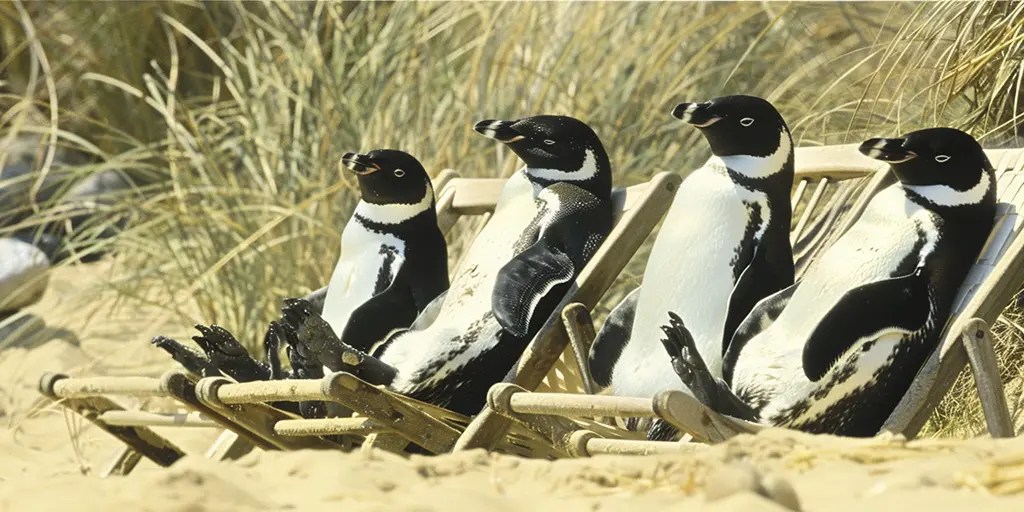
Antarctic wildlife's exposure to the sun's harmful rays has increased in recent years, scientists say.
A hole in the ozone layer – the protective gas barrier in the upper atmosphere – now remains over the frozen continent for a longer part of the year.
A major cause of ozone loss is believed to be the amount of smoke produced by unprecedented wildfires in Australia that have been fueled by climate change.
https://www.bbc.co.uk/news/science-environment-68906013
As we know, the 2019 drought in southeast Australia, the region most affected, was far from unprecedented, so climate change had no impact. Instead, there is ample evidence that poor forest management was the biggest factor.
http://www.bom.gov.au/cgi-bin/climate/change/timeseries.cgi?graph=rranom&area=seaus&season=0112&ave_yr=5&ave_period=6190
In fact, the newspaper itself makes no claims about “unprecedented wildfires in Australia”, and the factors behind ozone loss are much more complex and nuanced than the BBC reports. In addition to Australian bushfires, La Nina, the polar vortex and the Hunga-Tongo volcano play a particular role. The BBC report does not mention any of these other factors.
https://onlinelibrary.wiley.com/doi/epdf/10.1111/gcb.17283
As with all studies of this kind, scientists only look at a few years' worth of data and therefore have absolutely no idea whether similar cycles of ozone loss have occurred naturally and regularly in the past.
But that's not a problem for the BBC, they would rather convince you that Antarctic animals are getting sunburnt because of your fossil fuel consumption.
Like this:
Is loading…

Comments are closed.