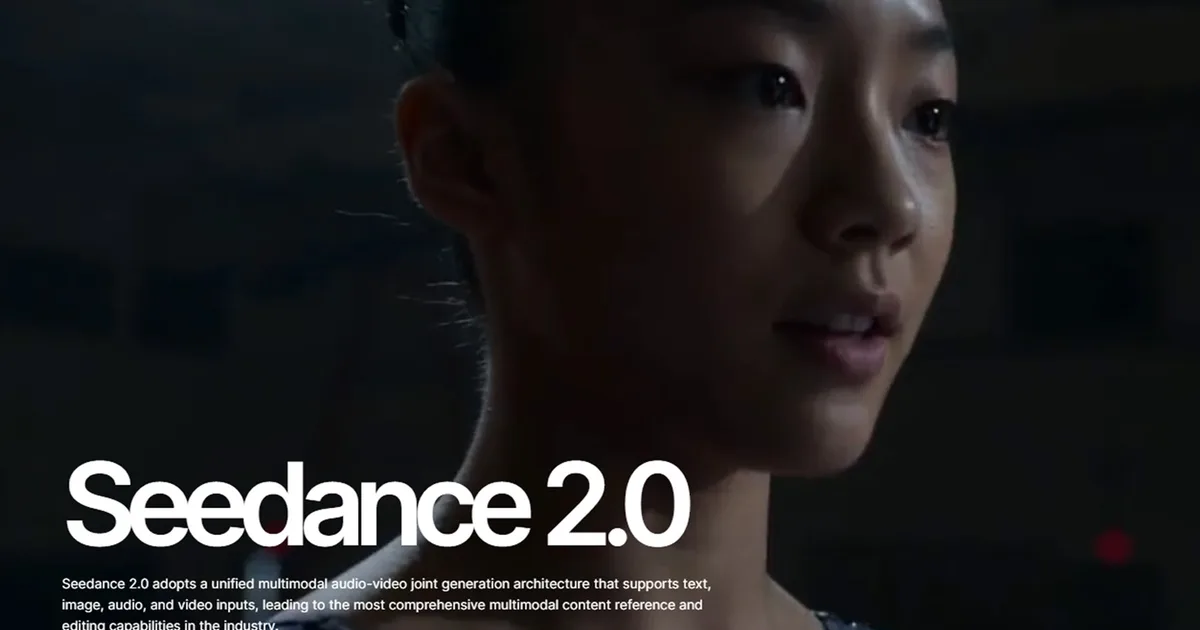
One of the most talked about AI video generators in recent weeks may not be coming as soon as expected. According to a new report from The Information, TikTok parent company ByteDance has reportedly paused the global rollout of its video generation model Seedance 2.0 after getting embroiled in copyright disputes with major Hollywood studios and streaming platforms.
Byte Dance
Seedance 2.0, which launched earlier this year, spread quickly across the Internet because of its ability to create highly realistic video clips from simple command prompts. The model can create short videos from text or images, making it one of the newest entrants in the fast-growing text-to-video AI competition, alongside tools like OpenAI’s Sora and Google Veo.
Why is ByteDance delaying the launch?
The delay appears to be related to growing legal pressure from the entertainment industry. Several Hollywood studios and streaming companies, including Disney, Netflix and Paramount, reportedly expressed concerns that the model may have been trained on copyrighted film and television content without permission. Some AI-generated clips circulating online reportedly featured recognizable characters or actors from popular franchises, leading to legal warnings.
Disney has reportedly sent a cease-and-desist letter to ByteDance, claiming that the model’s training data used copyrighted works and that some output reproduced protected intellectual property. Given these concerns, ByteDance has reportedly paused its planned global rollout, expected around mid-March, while engineers work on safeguards to prevent unauthorized use of copyrighted material.
Why has Seedance 2.0 attracted so much attention?
Seedance 2.0 quickly gained attention after its debut due to its ability to create short cinematic videos with realistic movements, camera movements, and characters. Viral clips featuring scenes with recognizable actors and characters sparked both excitement and concern across the creative industry.
The situation also reflects a growing tension in the AI space, where powerful generative tools are advancing rapidly and developers and studios are wondering how training data is sourced. As a result, legal challenges may increasingly determine how and when these AI models reach the public.
