

The battle to use cheaper, more efficient and safer batteries for electric vehicles is heating up among automakers.
At the heart of this battle is the development of solid-state battery technology, an alternative to highly flammable and expensive lithium batteries that is attracting more and more attention.
As proof, Stellantis, the world's fourth largest automaker, is betting on the technology of its next generation of electric vehicles.
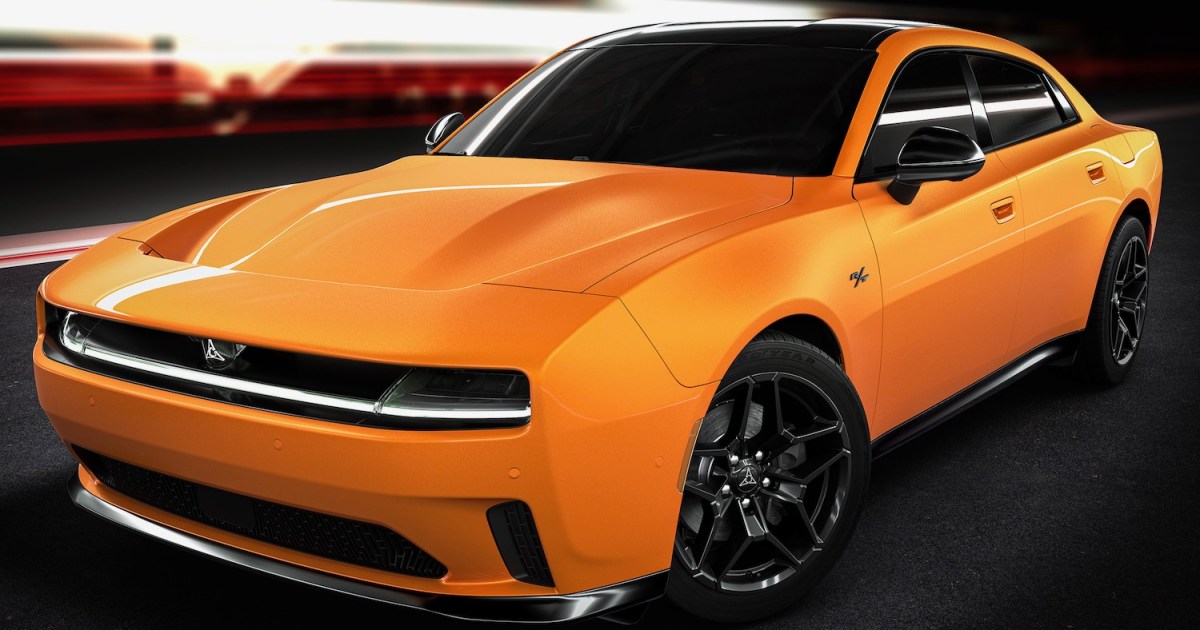
The Netherlands-based company said it will launch a demonstration fleet of Dodge Charger Daytona electric vehicles that will feature solid-state battery technology from US startup Factorial.
The demo fleet, expected to be launched by 2026, will provide a real-world impression of Factorial's technology. Factorial has been working with Stellantis since 2021 and also works with companies such as Daimler AG's Mercedes-Benz and Hyundai.
In addition to Dodge, the technology will eventually also be used on the Stellantis STLA Large multi-energy platform, which includes brands such as Jeep, Chrysler, Alfa Romeo and Maserati.
Stellantis said the integration of solid-state battery technology will lead to “improved performance, longer ranges and faster charging times in the coming years.”
Factorial, meanwhile, says its technology offers higher energy density, lower weight, improved performance and the potential to further reduce the overall cost of the vehicle over time.
Stellantis, Daimler and Hyundai are not the only ones relying on solid-state battery technology. Toyota, the world's largest automaker, has invested heavily in the technology. The company also formed a coalition with Nissan and Panasonic to boost production in Japan.
Until now, producing solid-state batteries has been an expensive undertaking. However, moves like the Stellantis demo fleet and large-scale production by companies like Factorial are expected to improve manufacturing processes and costs over time.
Other automakers, meanwhile, are working on ways to improve lithium batteries. Volkswagen, for example, is developing its own standardized battery cell in several European plants and a plant in Ontario, Canada.

Comments are closed.